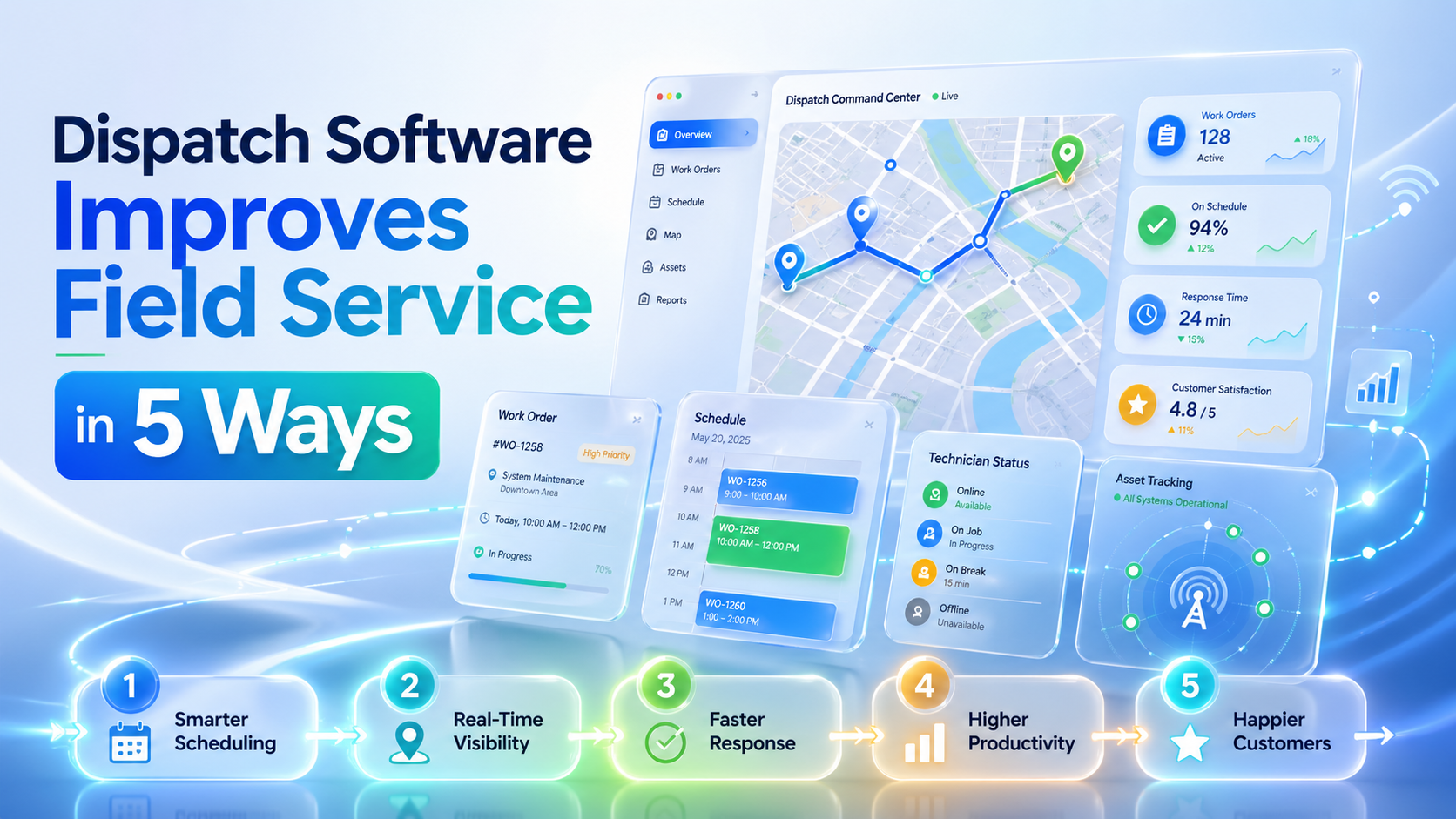
How Dispatch Software Improves Field Service in 5 Ways
Dispatch software improves field service by automating schedules and routes. It helps teams respond faster and reduce delays.
Actionable insights on field service management, productivity, and scaling field operations and services.


Dispatch software improves field service by automating schedules and routes. It helps teams respond faster and reduce delays.
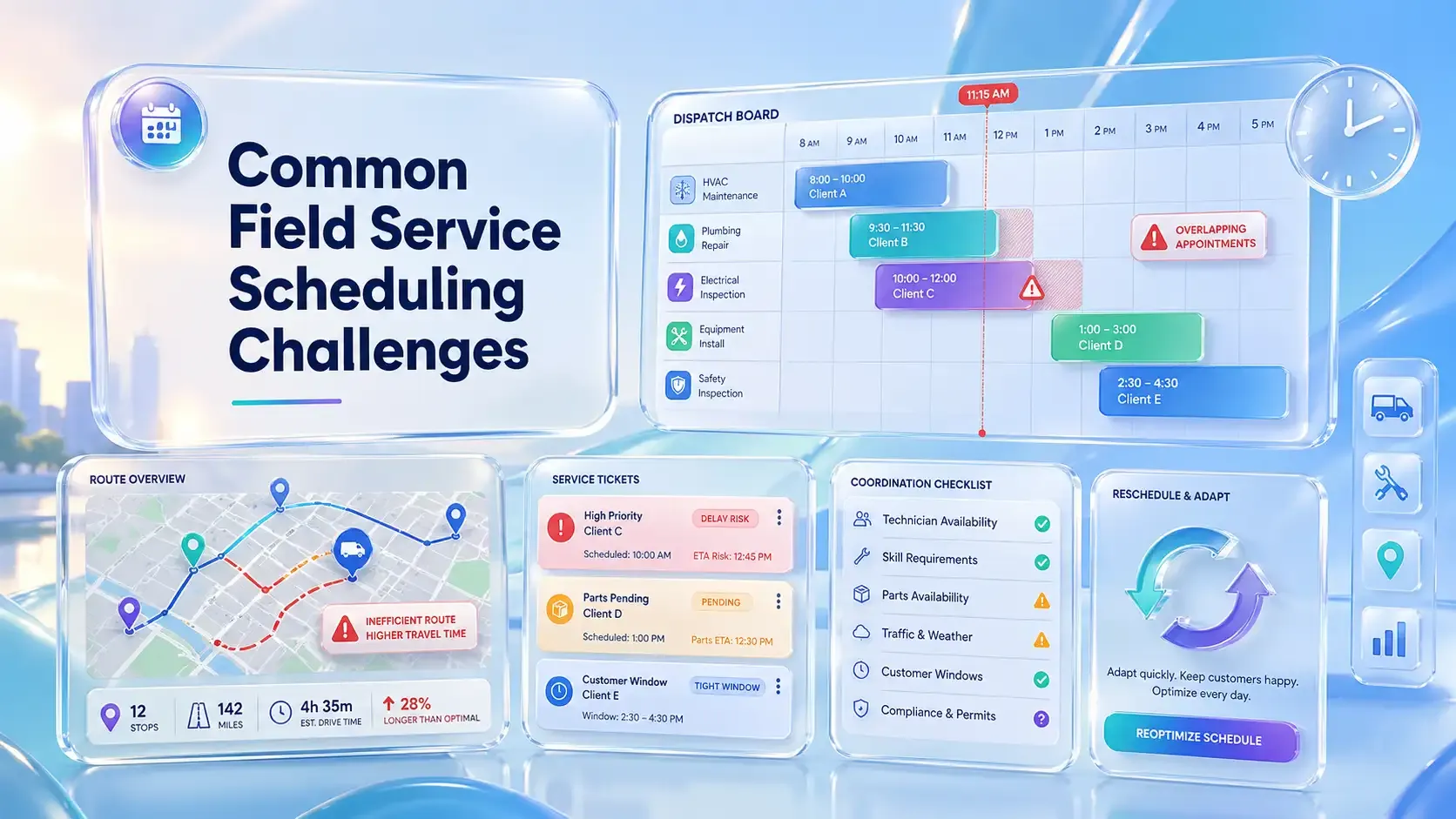
Manual scheduling errors, last-minute changes, staff gaps, and poor communication are primary challenges of scheduling. Use automation and real-time tracking to stay in control.
Use FSM software for automated scheduling and reminders to reduce missed appointments. It lets customers reschedule easily without disrupting your operations.
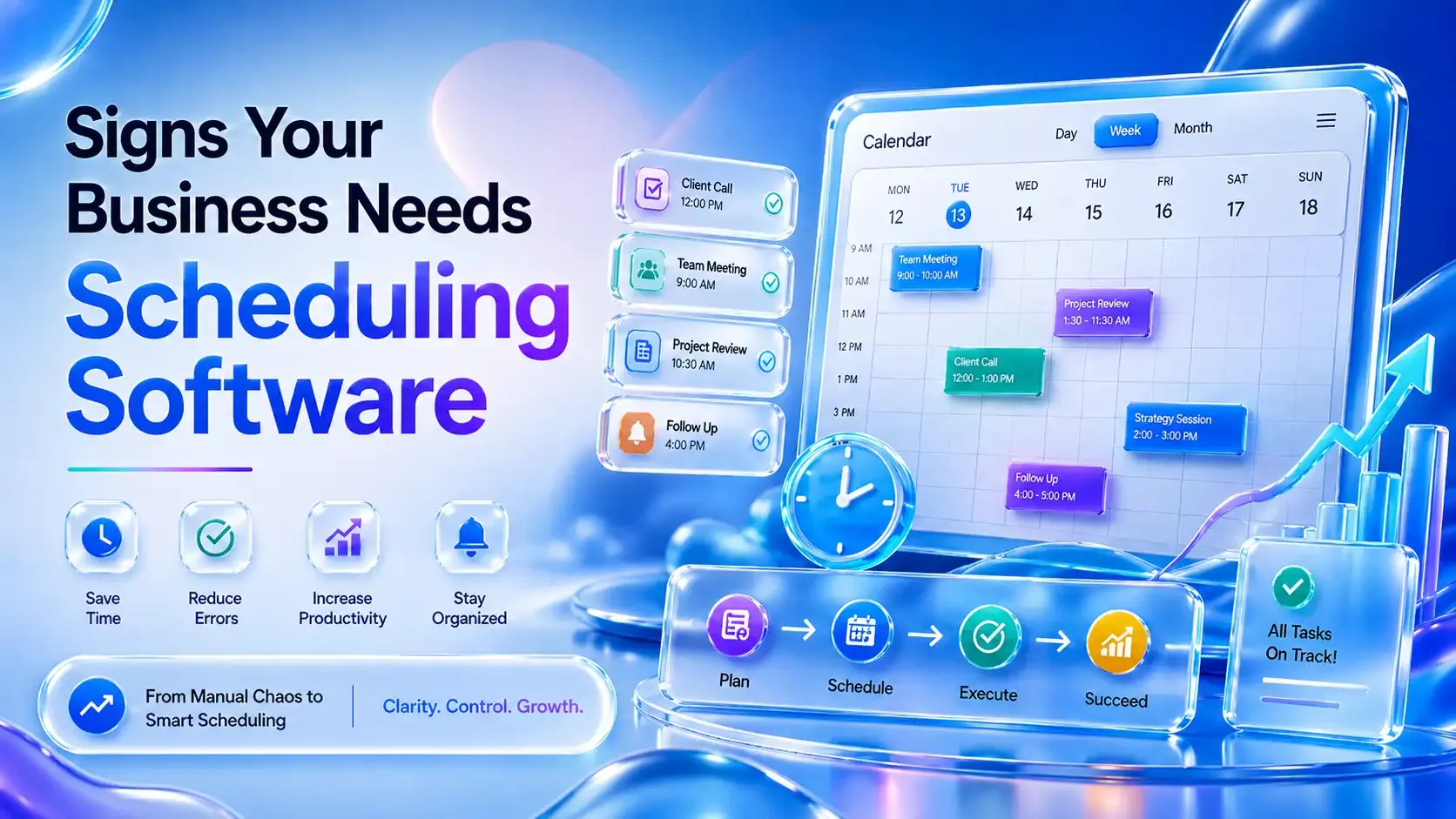
Spending hours on manual bookings or chasing no-shows slows business down. Scheduling software automates these tasks and saves time.
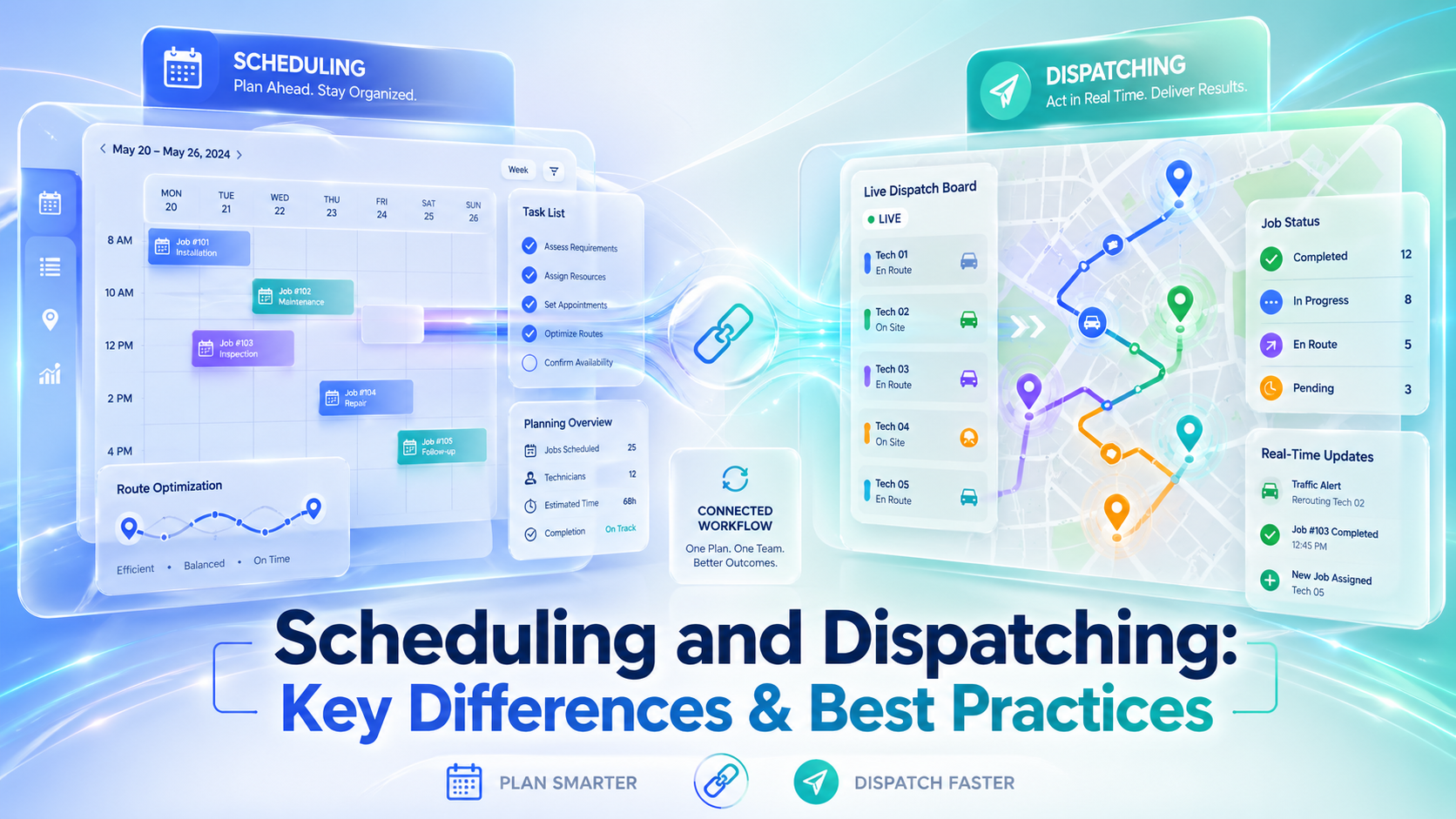
Scheduling vs dispatching means planning tasks first, then handling them live. One sets the structure, while the other manages changes and real-world issues.
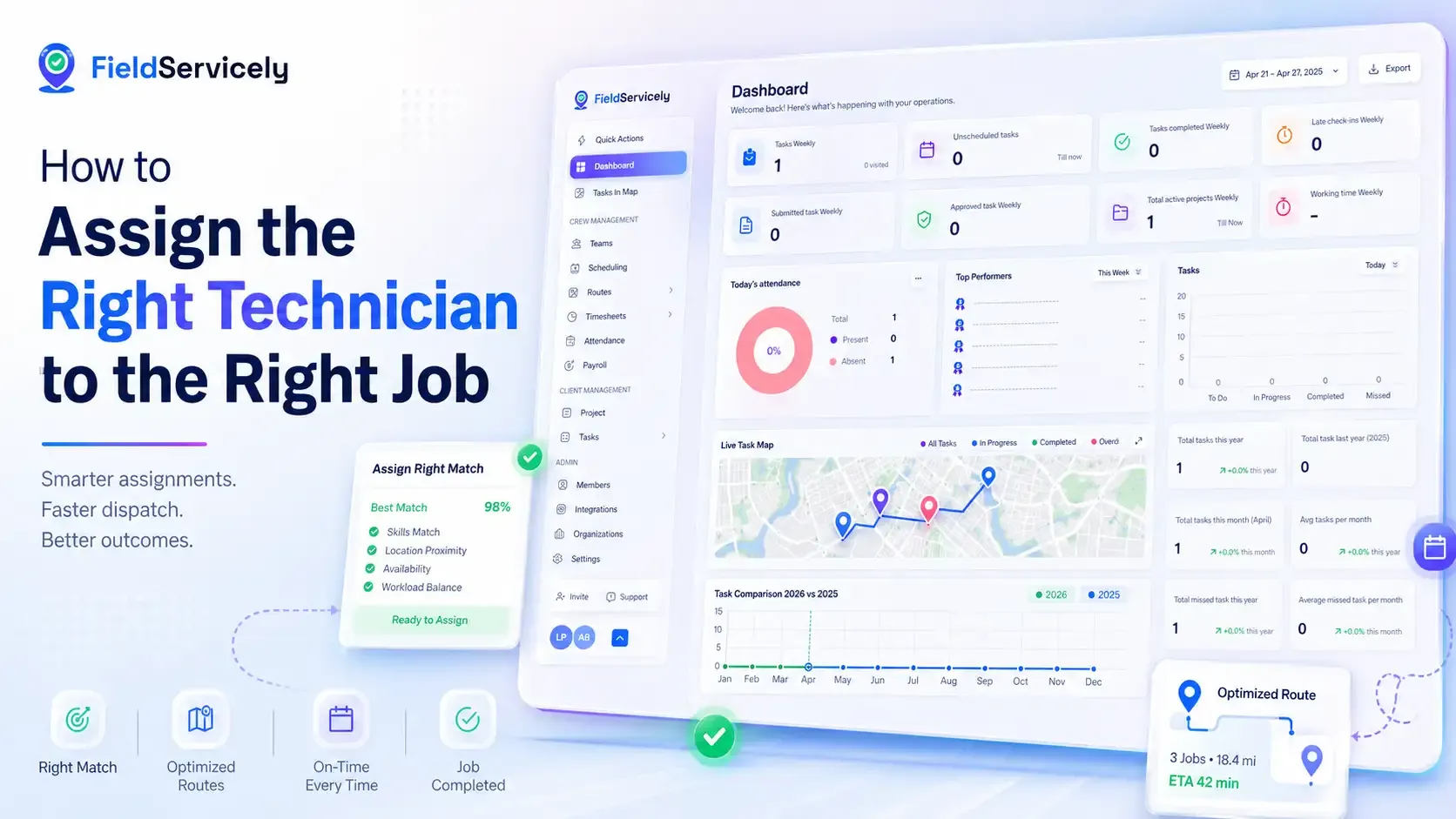
Assigning the right technician matches each job with the best-skilled person, using location, availability, and urgency for fast, accurate first-time fixes.
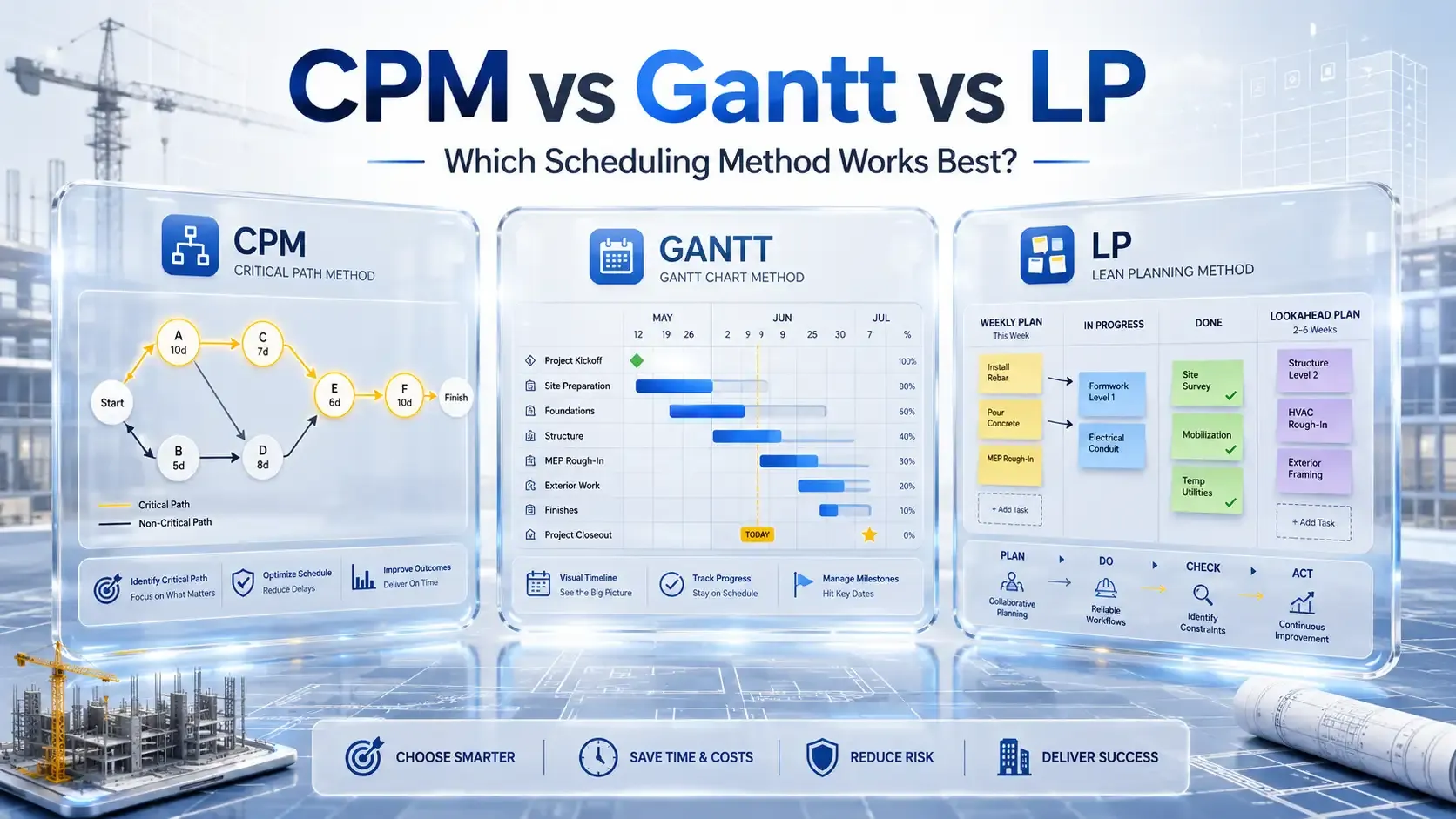
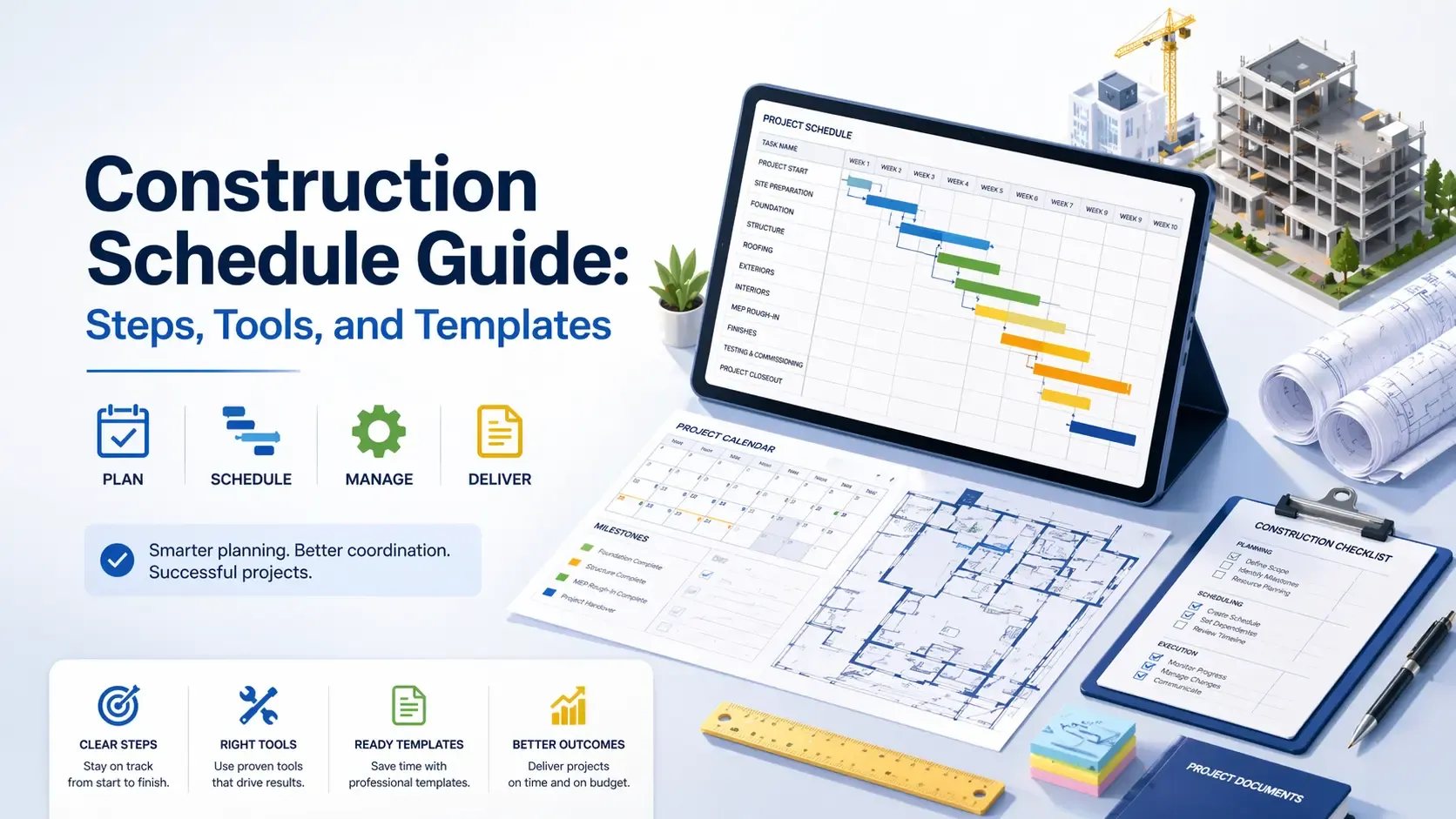
Critical path method, Gantt chart, LPS, LOB, and PERT are the most common construction scheduling techniques. They define task order and timing.
To create a construction schedule, break work into tasks, set durations, and track progress. It boosts efficiency and prevents costly project delays.
Construction scheduling plans and organizes all tasks in a project. It sets timelines and sequences so work follows the right order and finishes on time.
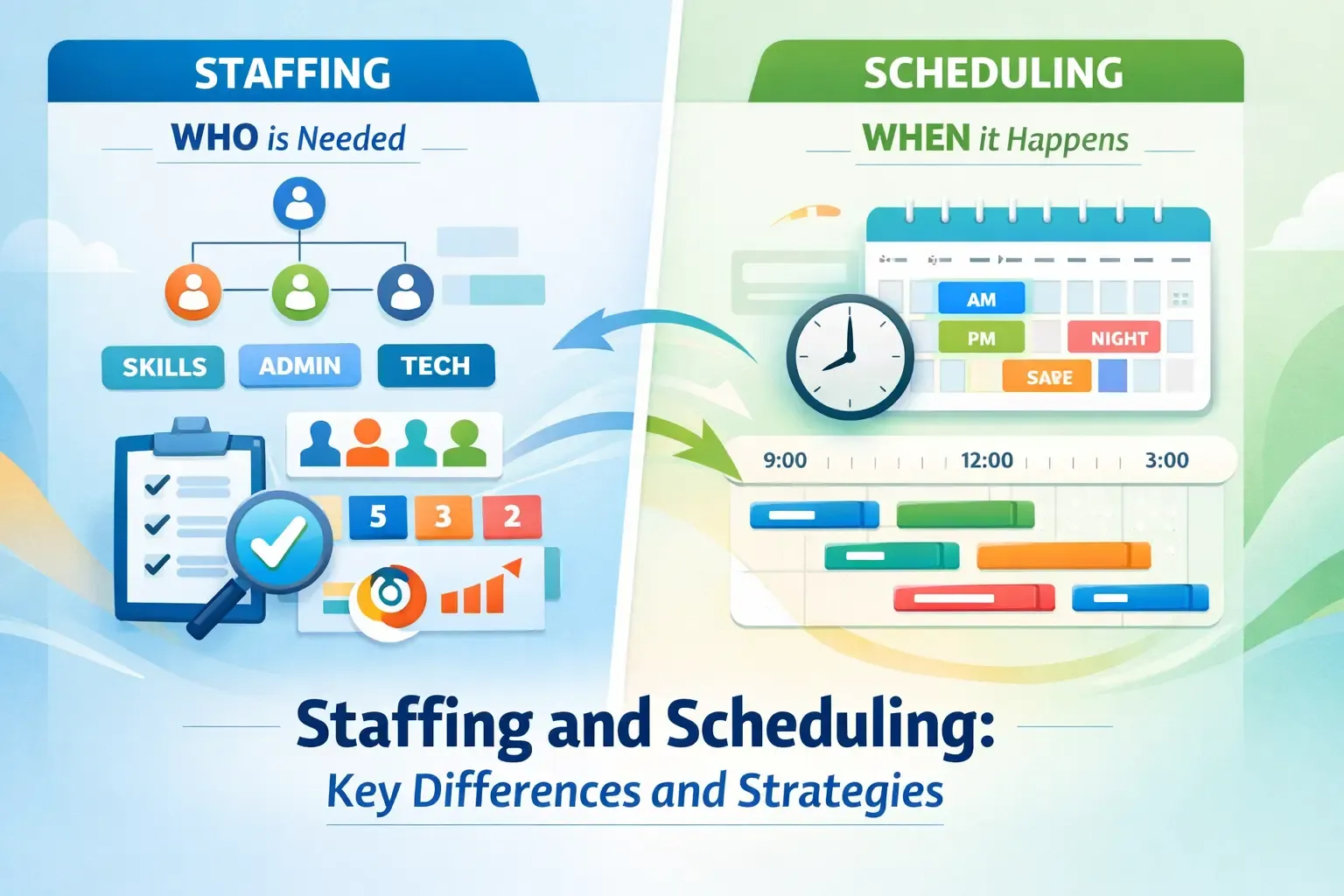
Staffing and scheduling manage your workforce together. Staffing ensures you have the right employees, while scheduling ensures they work at the right time.
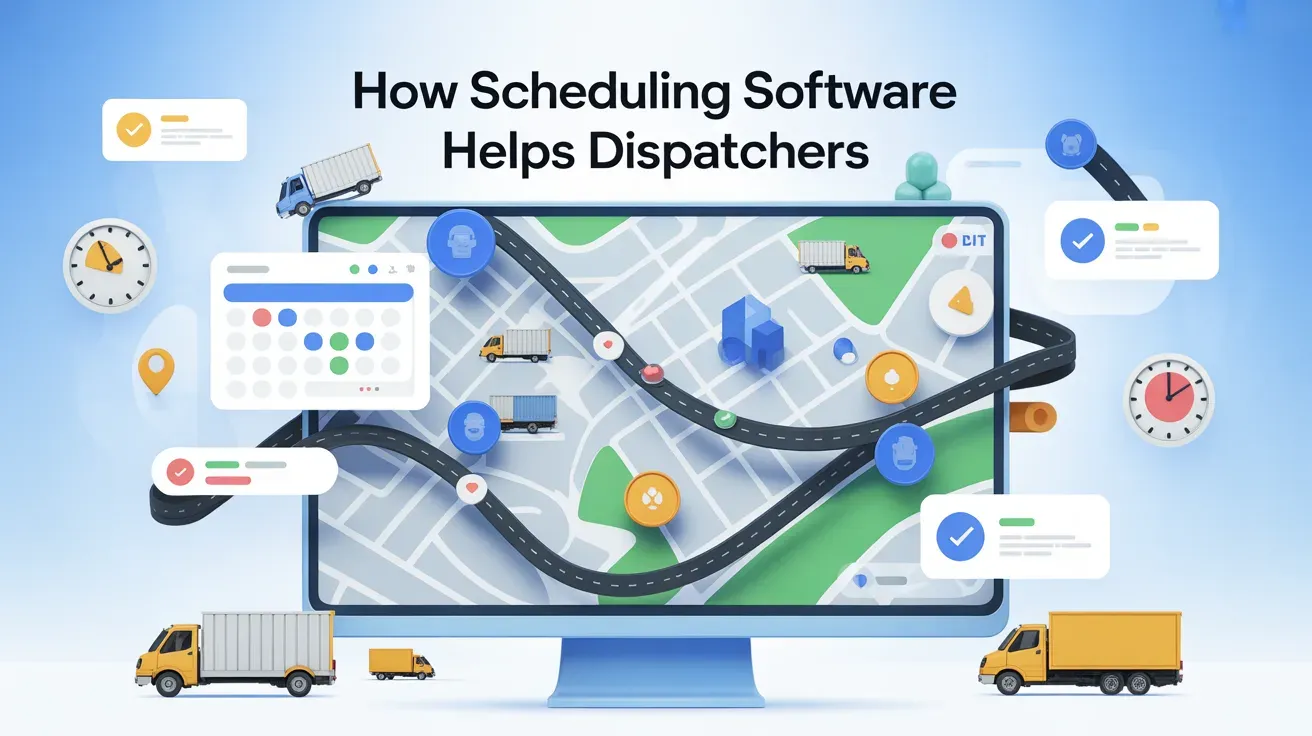
Scheduling software helps dispatchers assign jobs and match the right technicians. It cuts delays and improves coordination with real-time tracking.
Field service scheduling optimization uses automation, real-time routing, and skill matching to reduce delays, improve efficiency, and first-time fix rates.
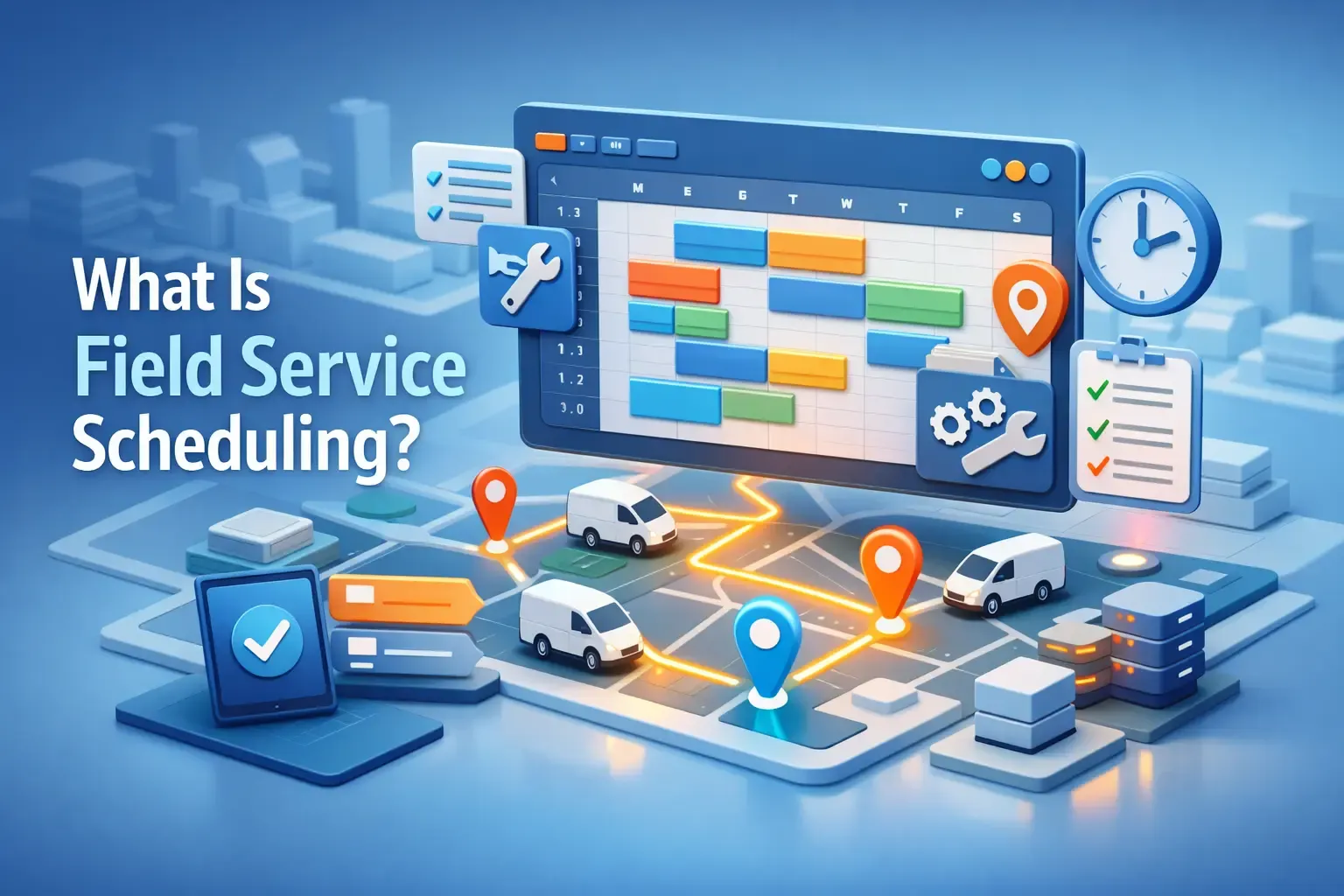
Field service scheduling assigns and manages technicians for jobs. It improves efficiency and reduces travel time for faster service delivery.
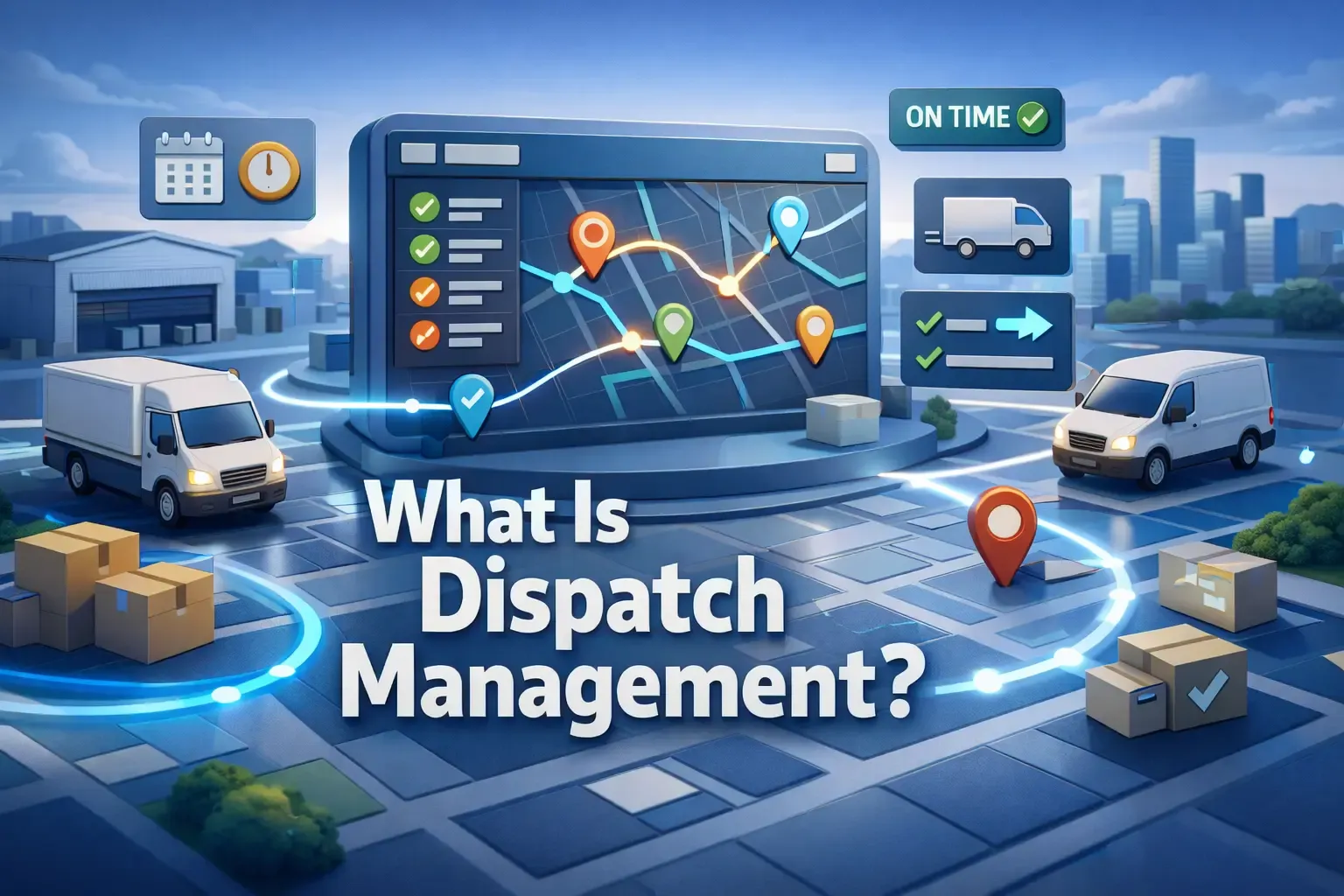
Dispatch management organizes scheduling, routing, and tracking to ensure the right resource handles each job. It improves productivity and reduces costs.
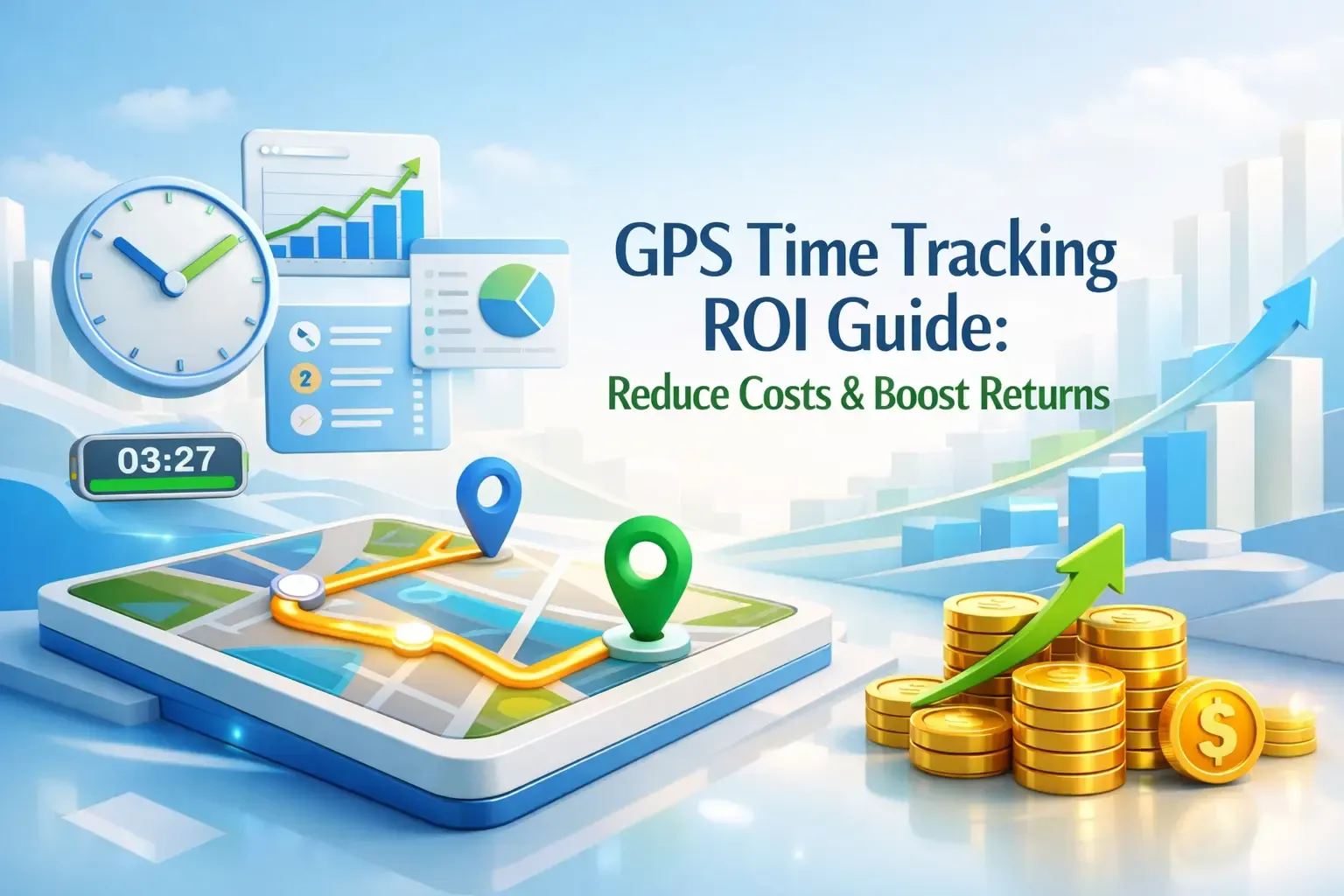
The GPS time tracking ROI guide explains how businesses measure savings from fuel, labor, and maintenance by comparing total gains against system costs.
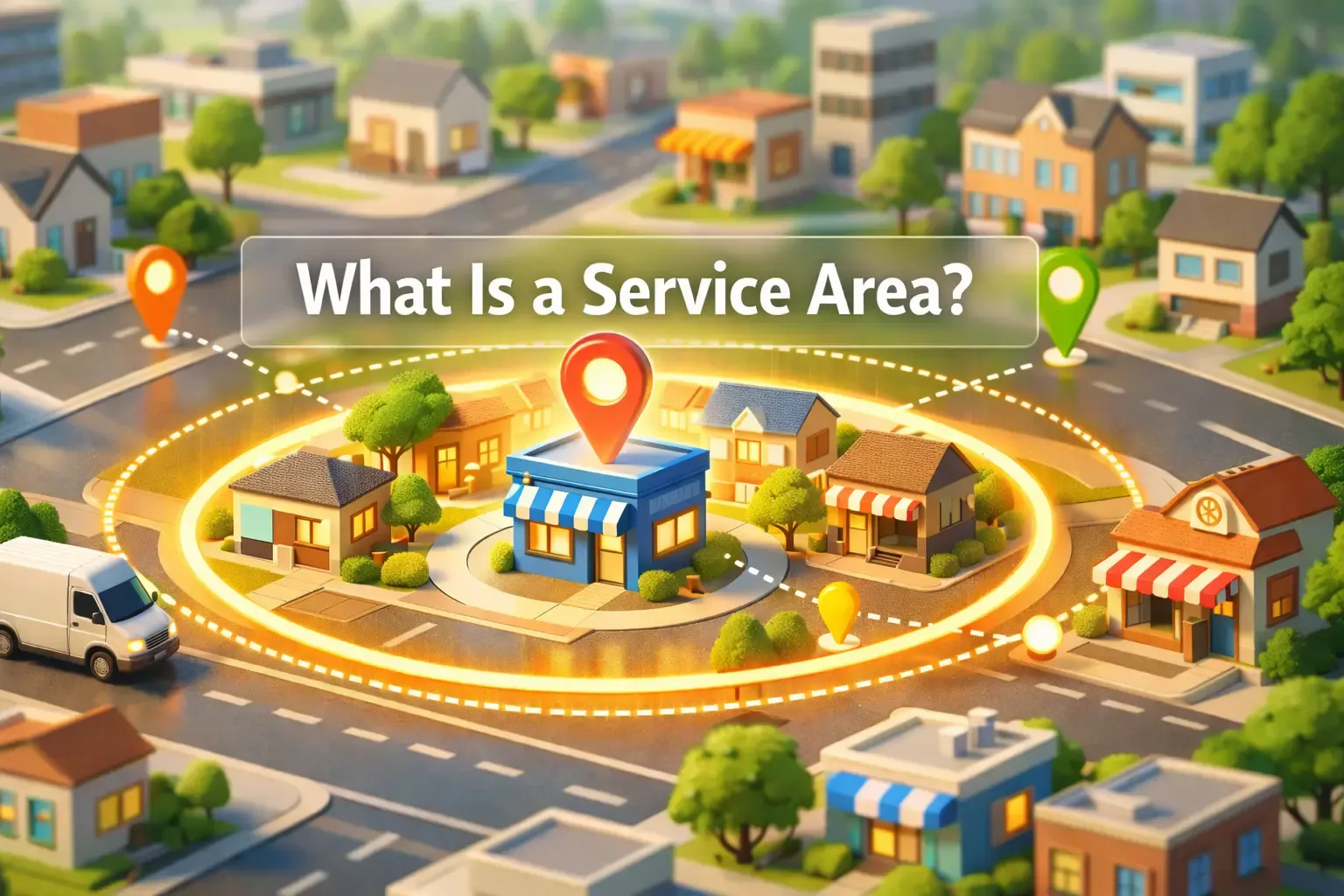
A service area is the zone where you provide services to customers. It increases job efficiency, reduces travel costs, and builds local trust.
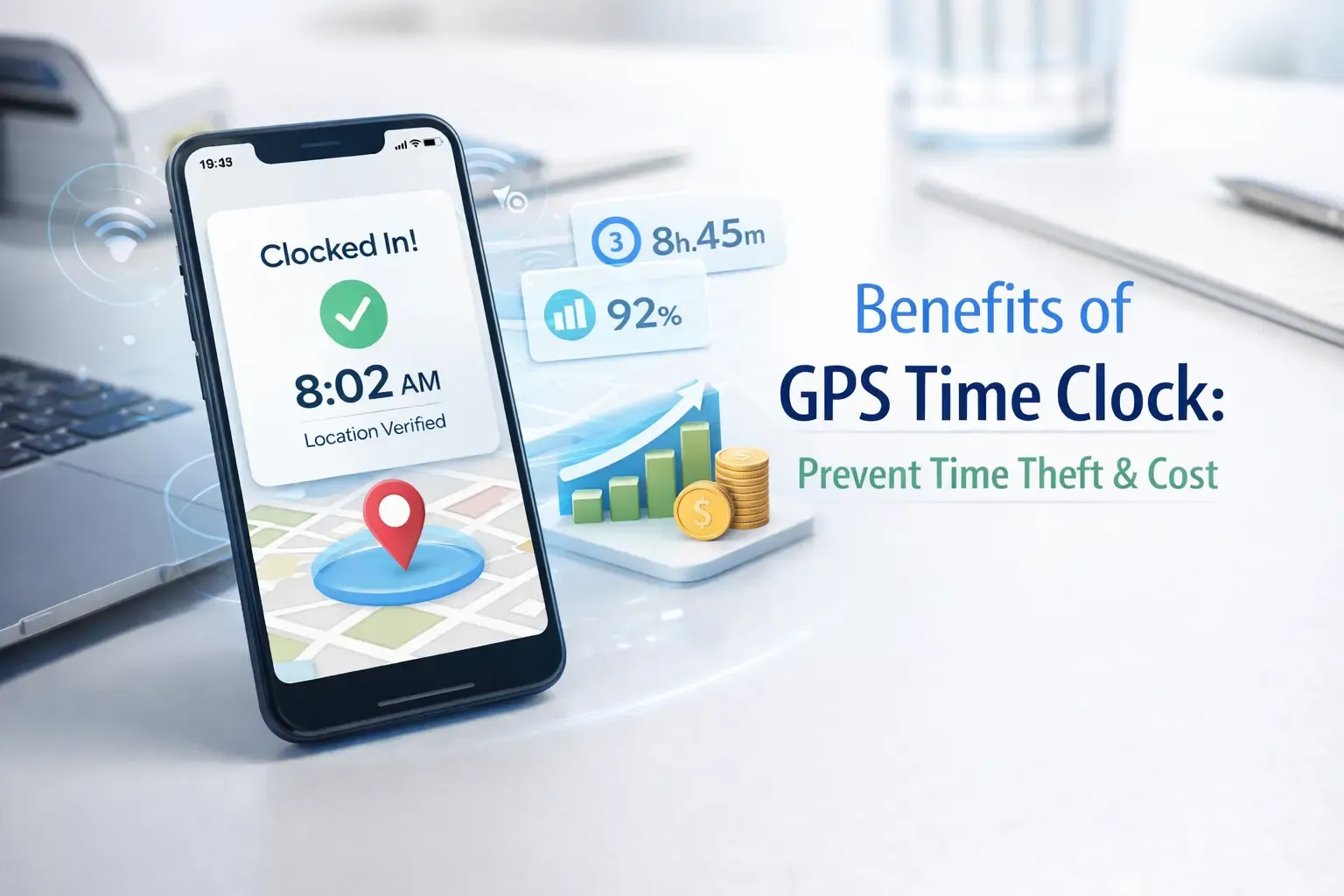
The benefits of a GPS time clock include accurate time tracking, reduced payroll errors, and real-time employee visibility to improve business efficiency.
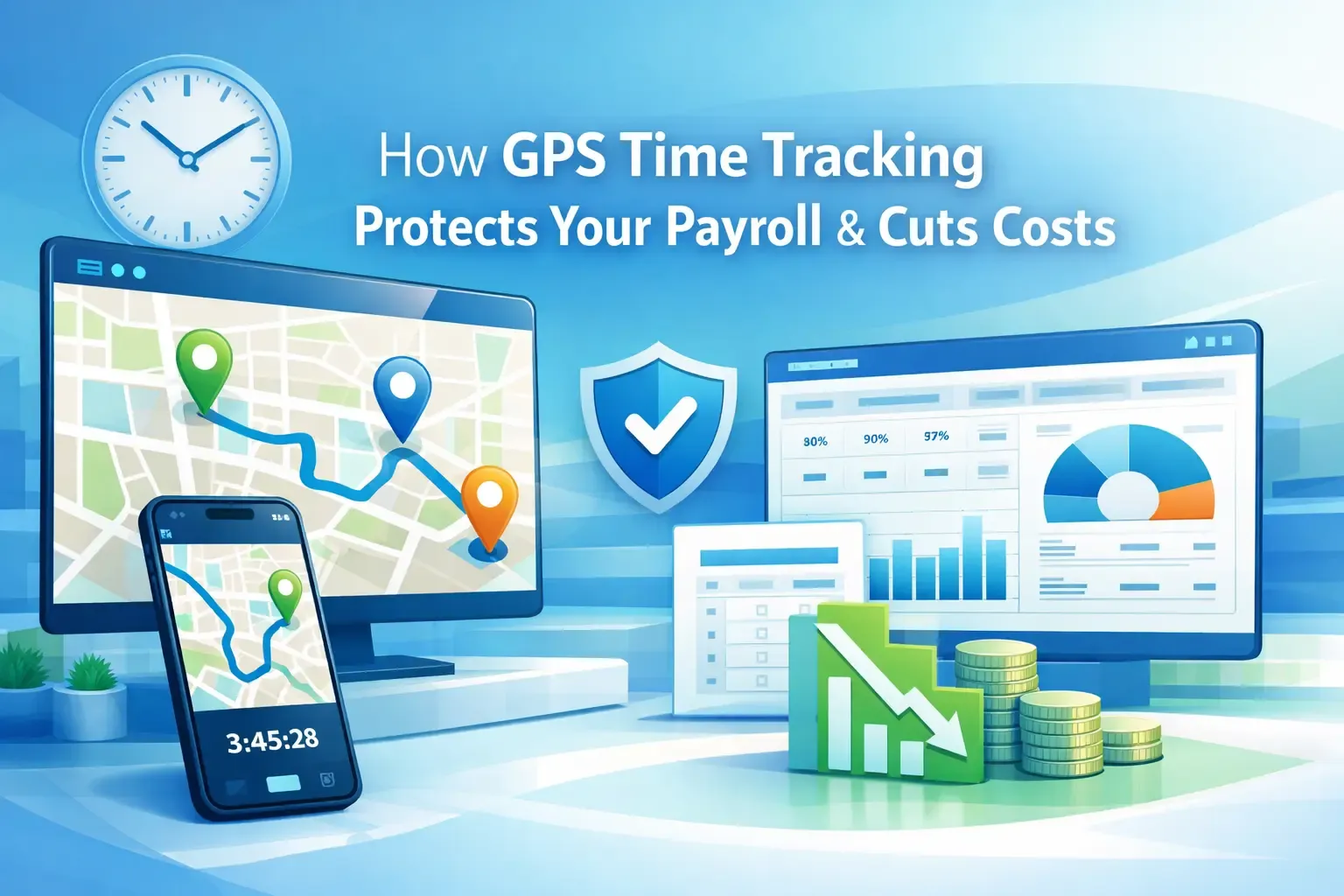
GPS time tracking protects payroll by verifying work hours and locations, reducing time theft, errors, and labor costs for better profit control.
Avoid client disputes using GPS-verified time logs by tracking real-time work, validating location, and attaching proof for clear, accurate invoices.
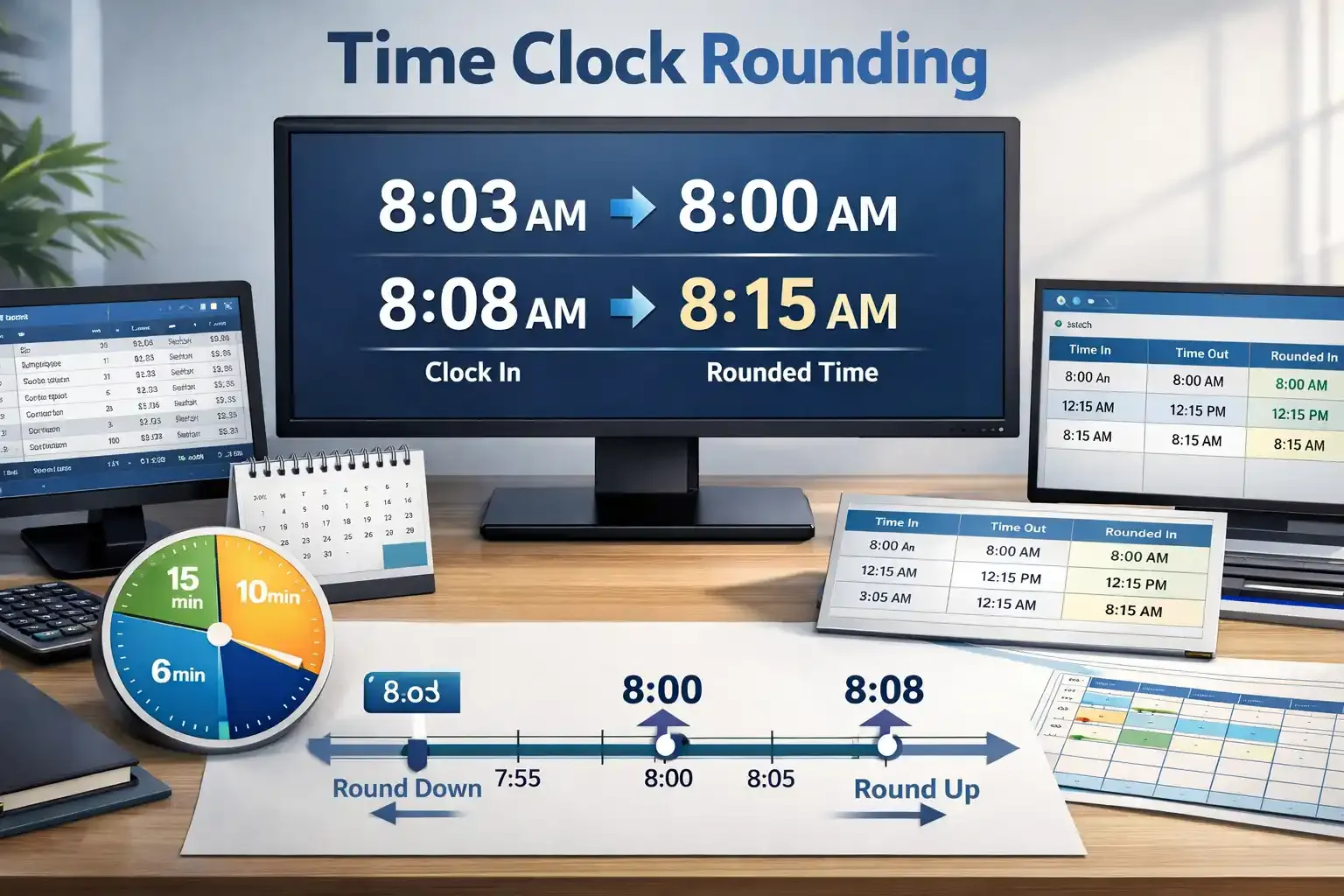
Time clock rounding adjusts employee clock-in and clock-out times to fixed intervals like 5, 6, or 15 minutes to simplify payroll and timesheet calculations.
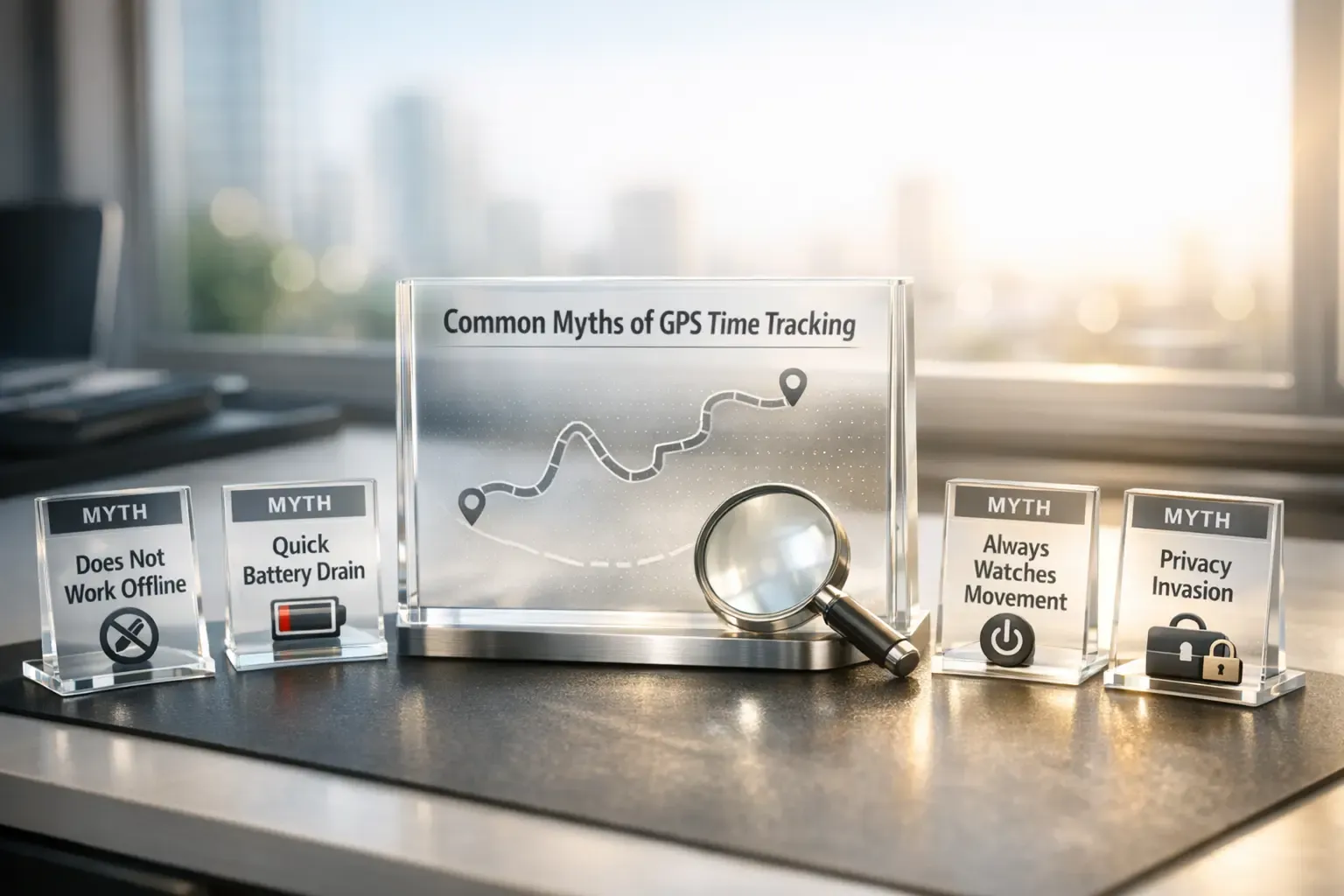
Common myths of GPS time tracking are inaccurate tracking, constant monitoring, and complex setup. Learn more about why these beliefs are wrong.
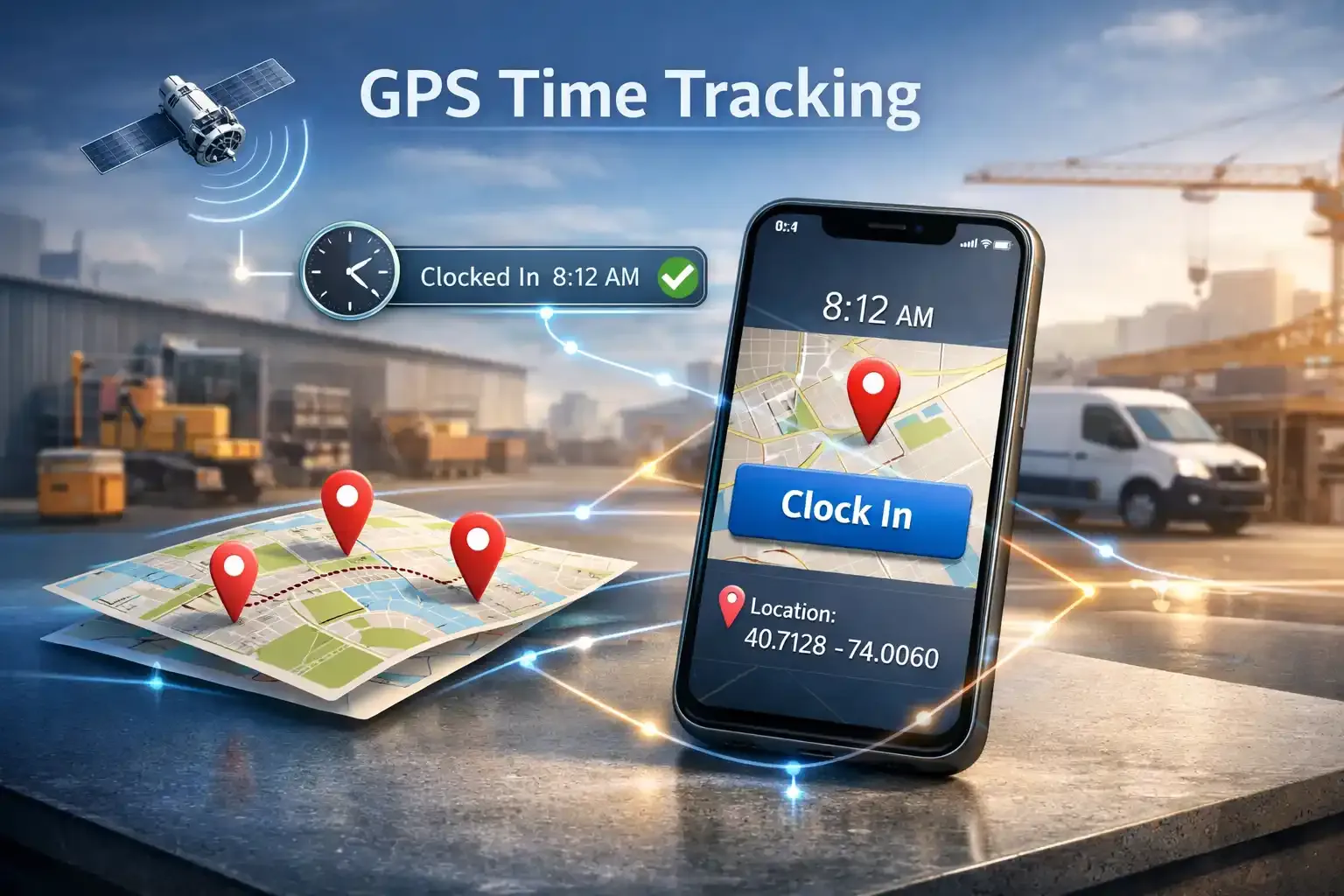
GPS time tracking records when and where employees start work using GPS-enabled apps, helping businesses verify attendance and manage field teams.
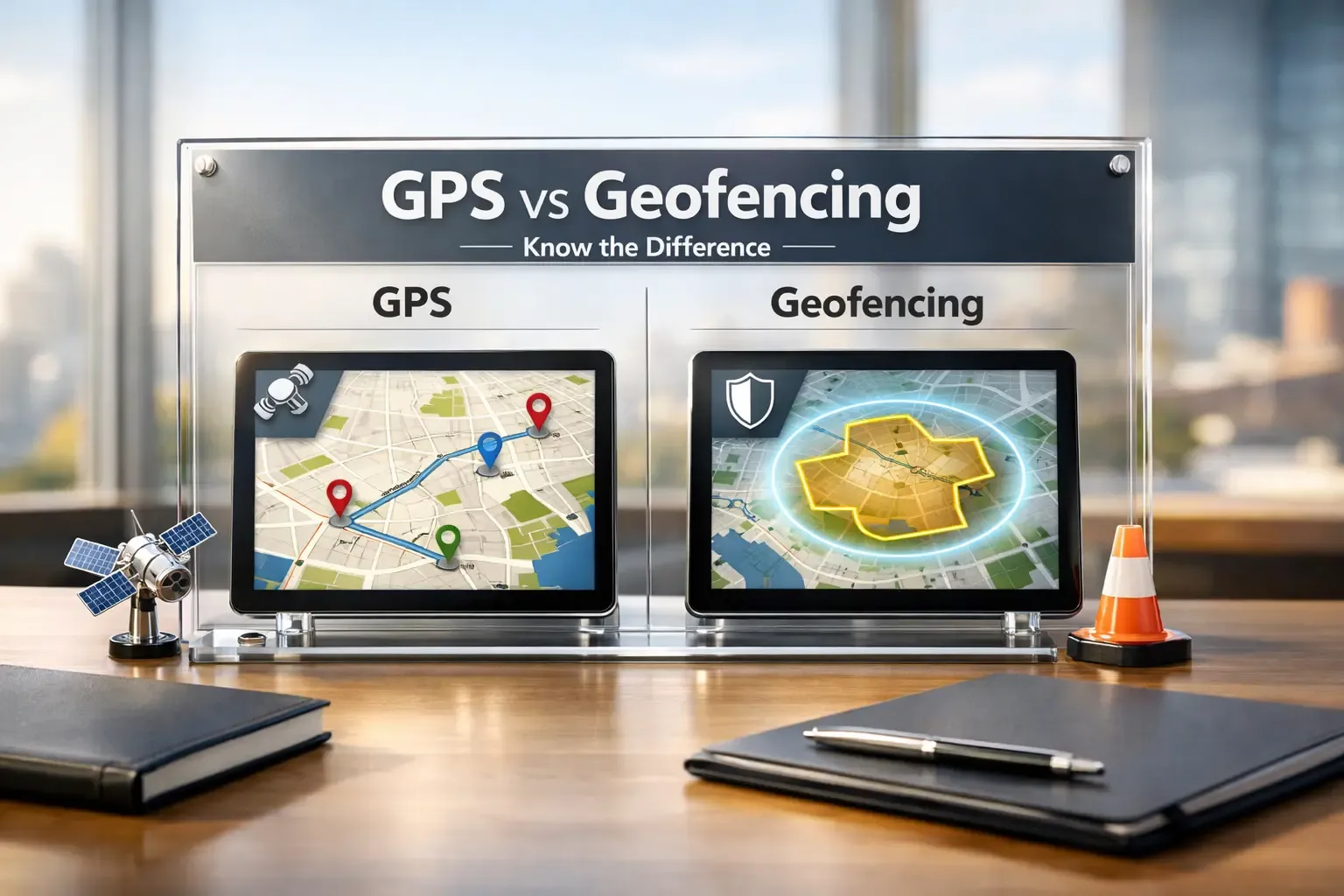
What is GPS vs Geofencing? GPS tracks the exact position, while geofencing creates virtual boundaries that trigger alerts and automated actions.
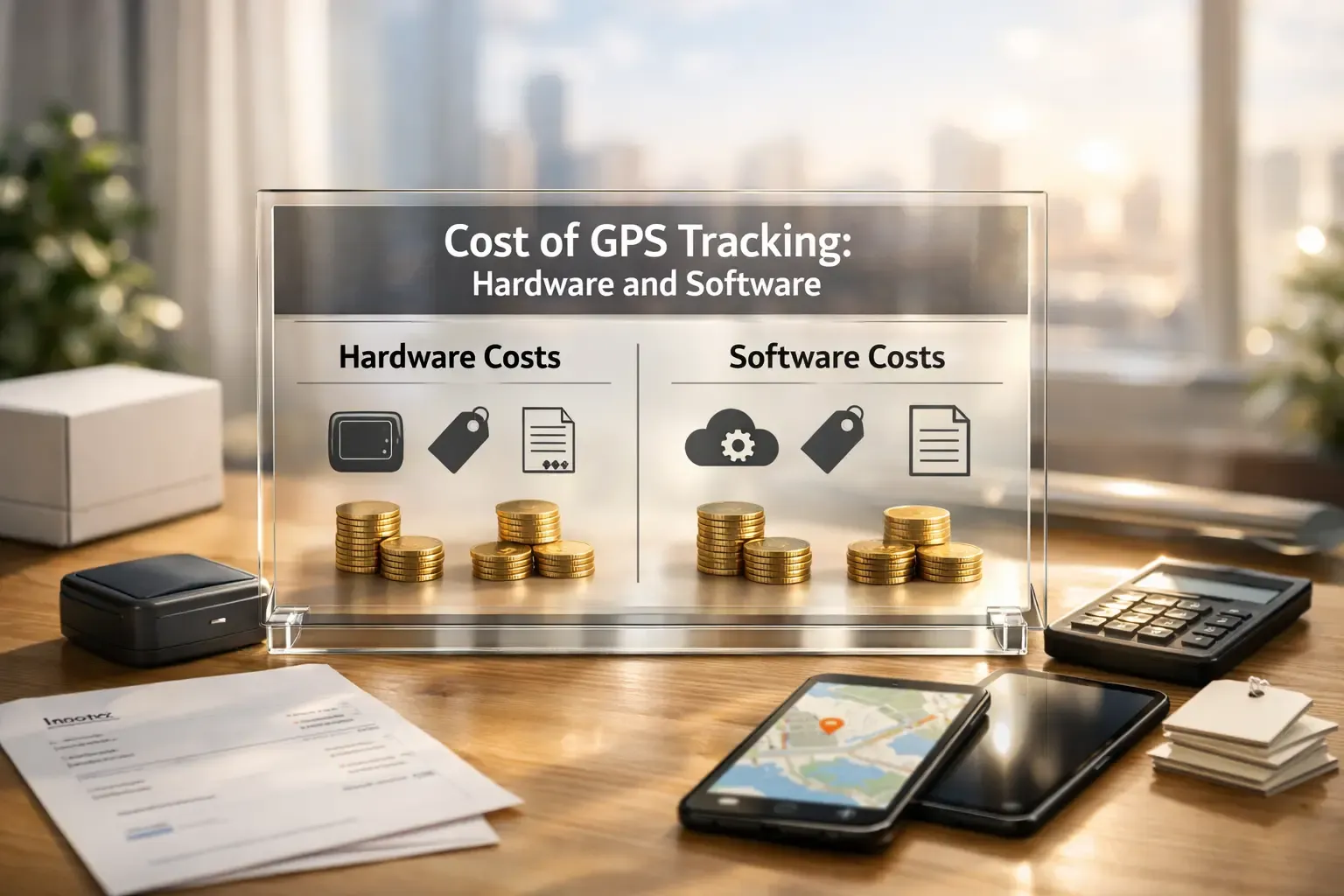
The cost of GPS tracking depends on hardware, features, and fleet size. Most plans range from $5 to $50+ monthly. See full pricing breakdown.
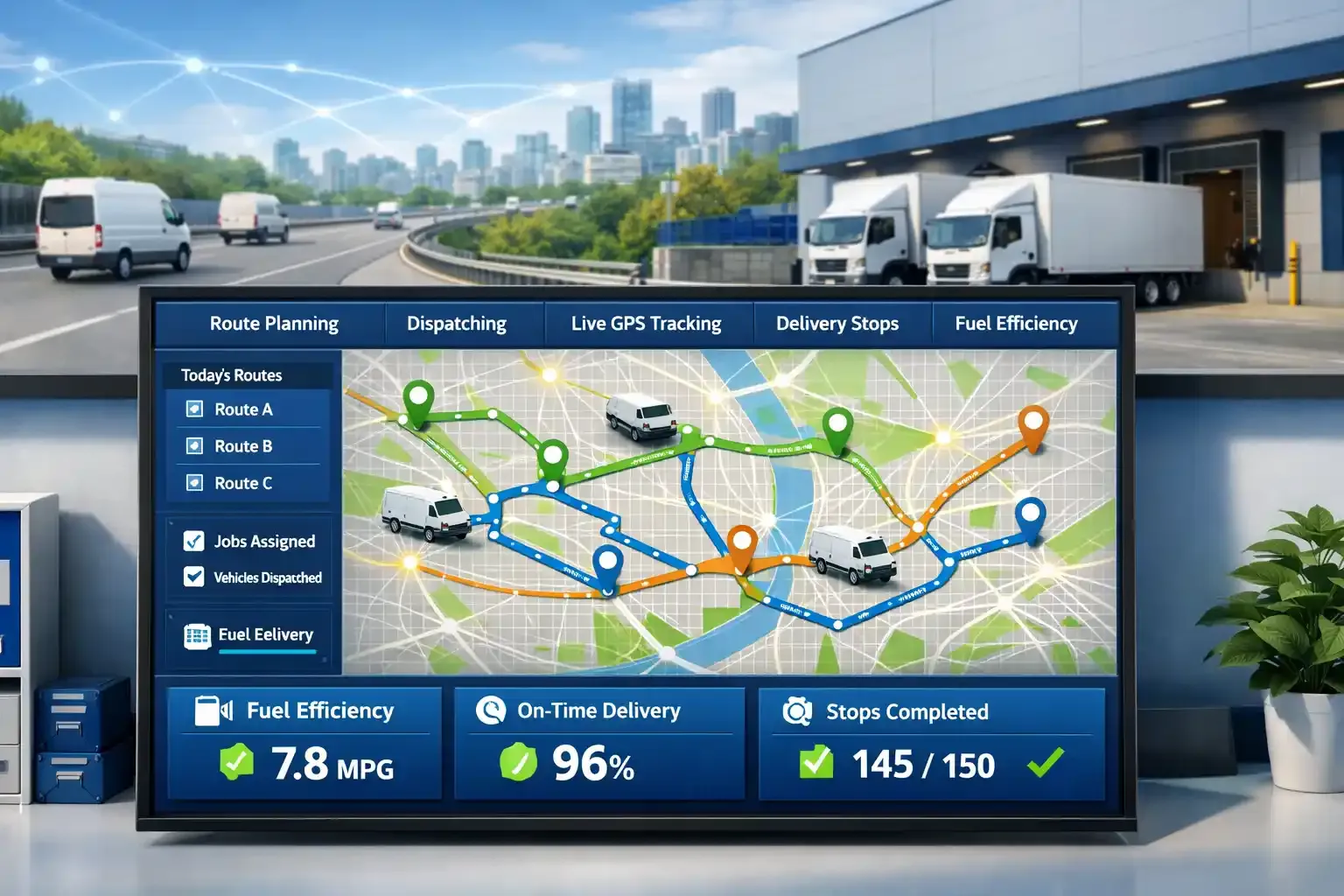
Route management plans, assigns, tracks, and optimizes delivery routes across multiple stops to reduce distance, costs, and ensure reliable operations.
A time and materials contract is a pricing agreement where clients pay for labor, materials, and project costs based on actual work performed.
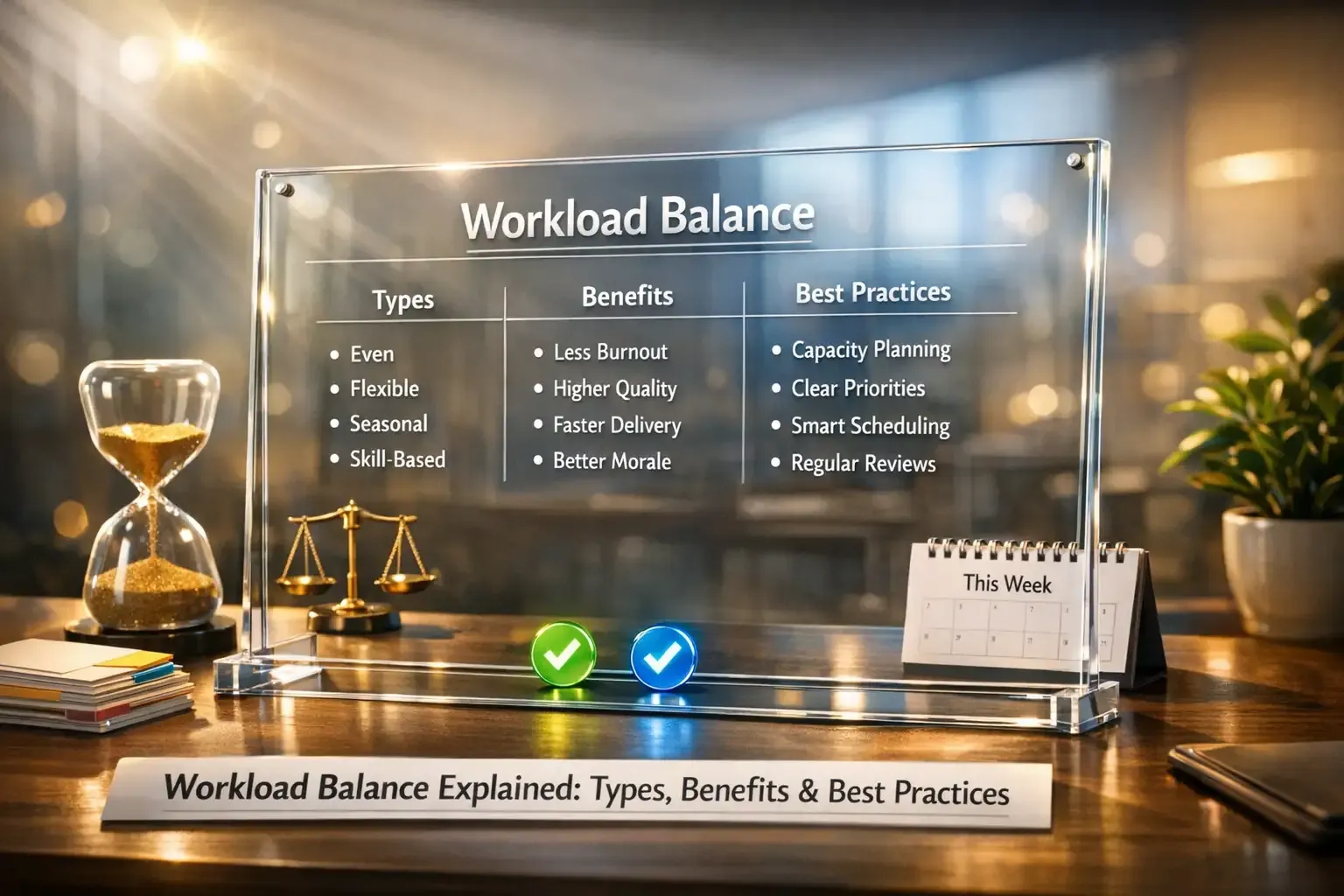
Workload balance means assigning tasks based on real capacity and skill to reduce overtime, prevent bottlenecks, and improve productivity and delivery accuracy.
Field productivity measures how efficiently field teams turn labor, time, and equipment into completed work, impacting cost, speed, and profit.
Small business metrics are measurable KPIs that track revenue, profit, cash flow, and customer performance to help owners make smarter decisions.
Buddy punching happens when employees falsify time records by clocking in for coworkers, causing higher labor costs and trust issues.
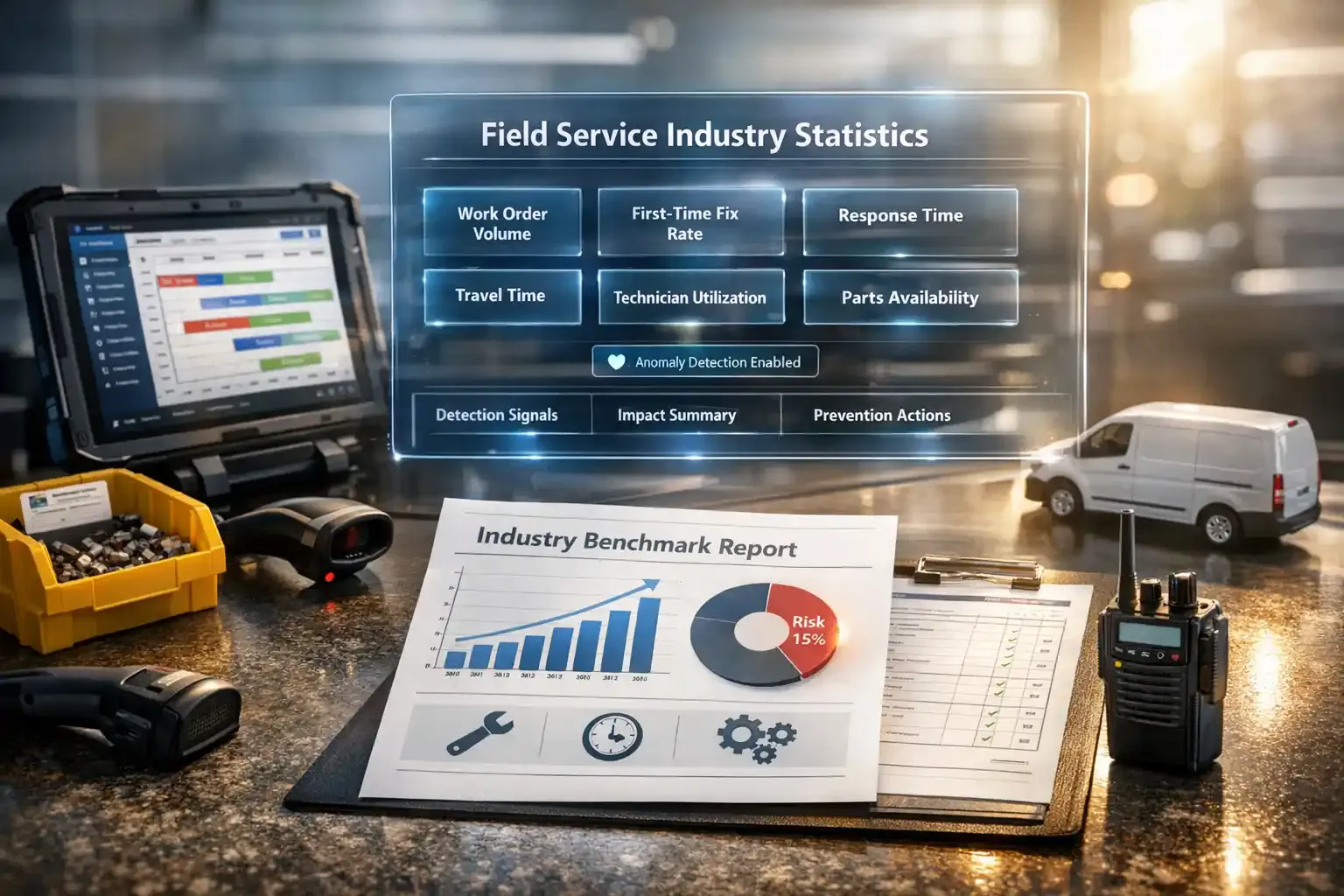
Get the latest 60 field service industry statistics, including market growth, technology adoption, workforce gaps, and operational benchmarks.
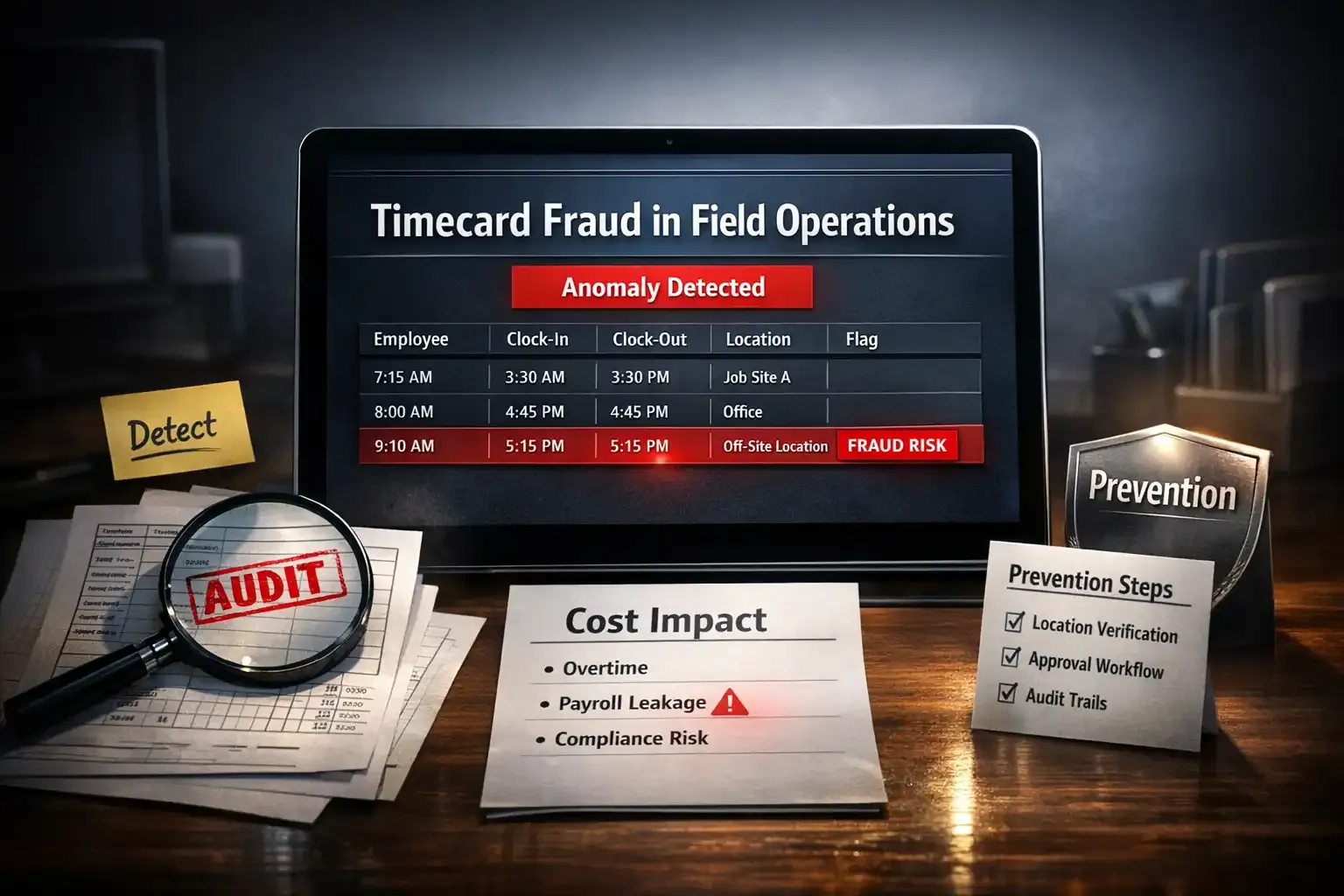
Timecard fraud means manipulating digital time entries or service logs to claim unworked hours, quietly increasing labor costs in field teams.
Use accurate tracking, define clear payment policies, ensure tax compliance, and document payroll controls to pay field employees properly.
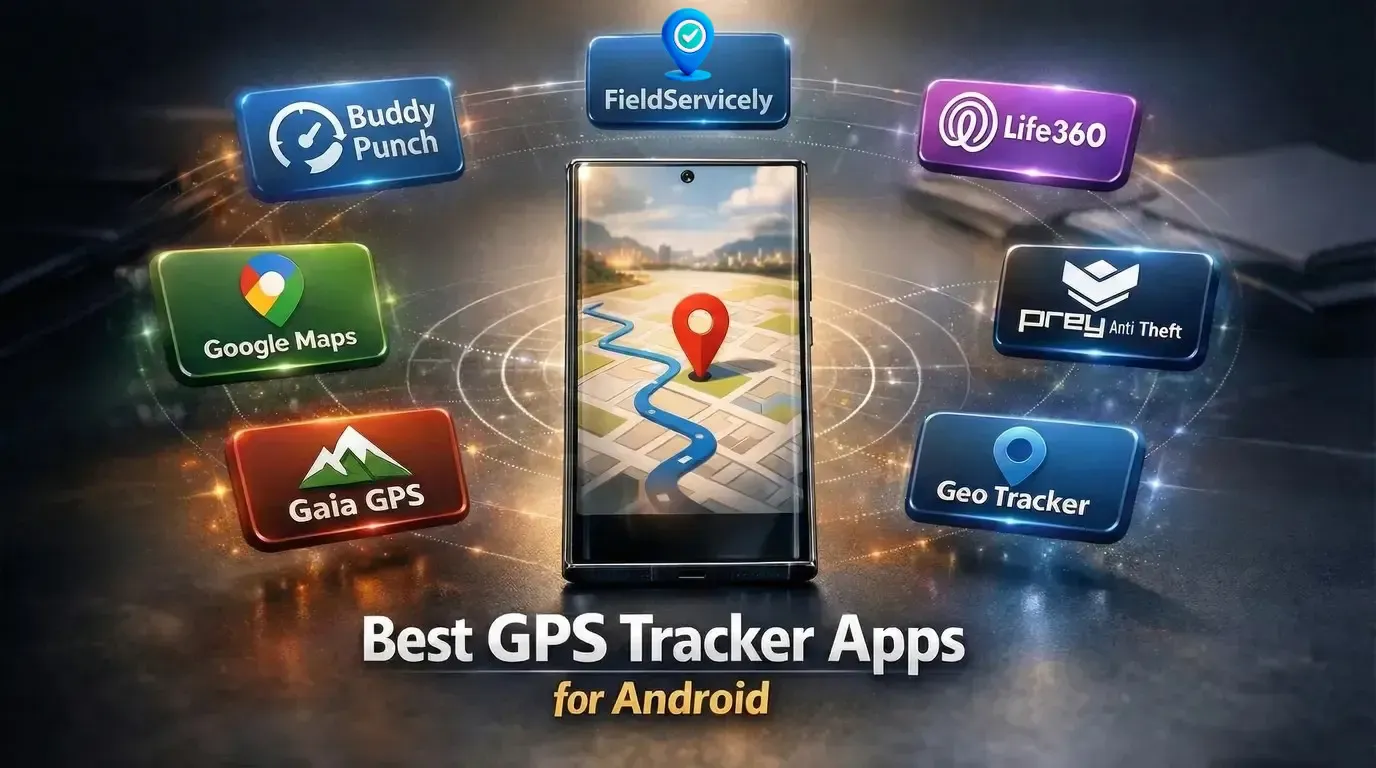
The best GPS tracker apps for Android are: 1. FieldServicely for field service teams 2. Life 360 for family members 3. Prey Anti-Theft for device security
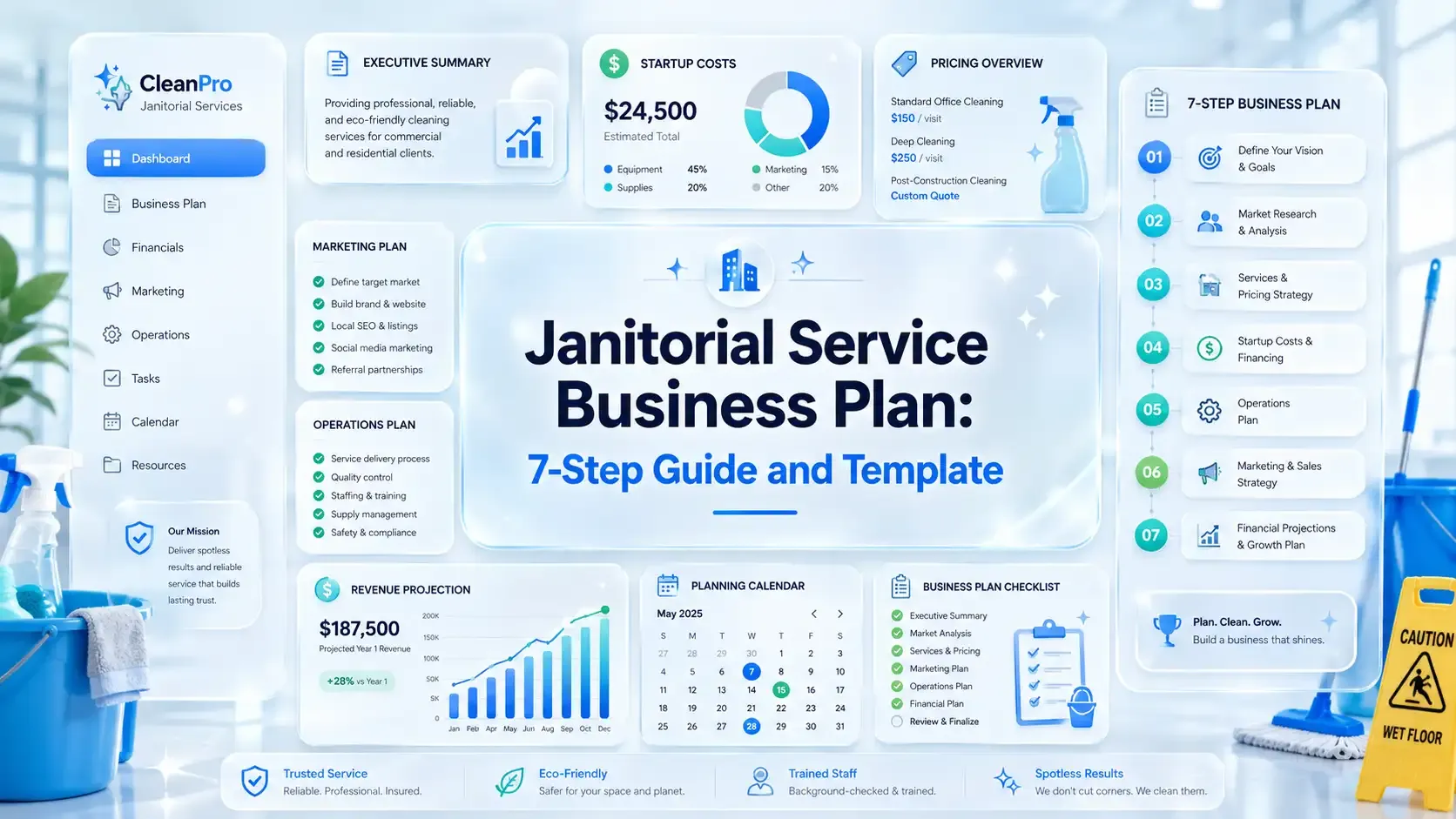
Plan your contractor business step by step with our ready-to-copy template. Build a robust business plan for efficiency and growth
The field service industry is on-site work, such as installation, maintenance, and repairs. Learn the trends in 2026 and how to track success.
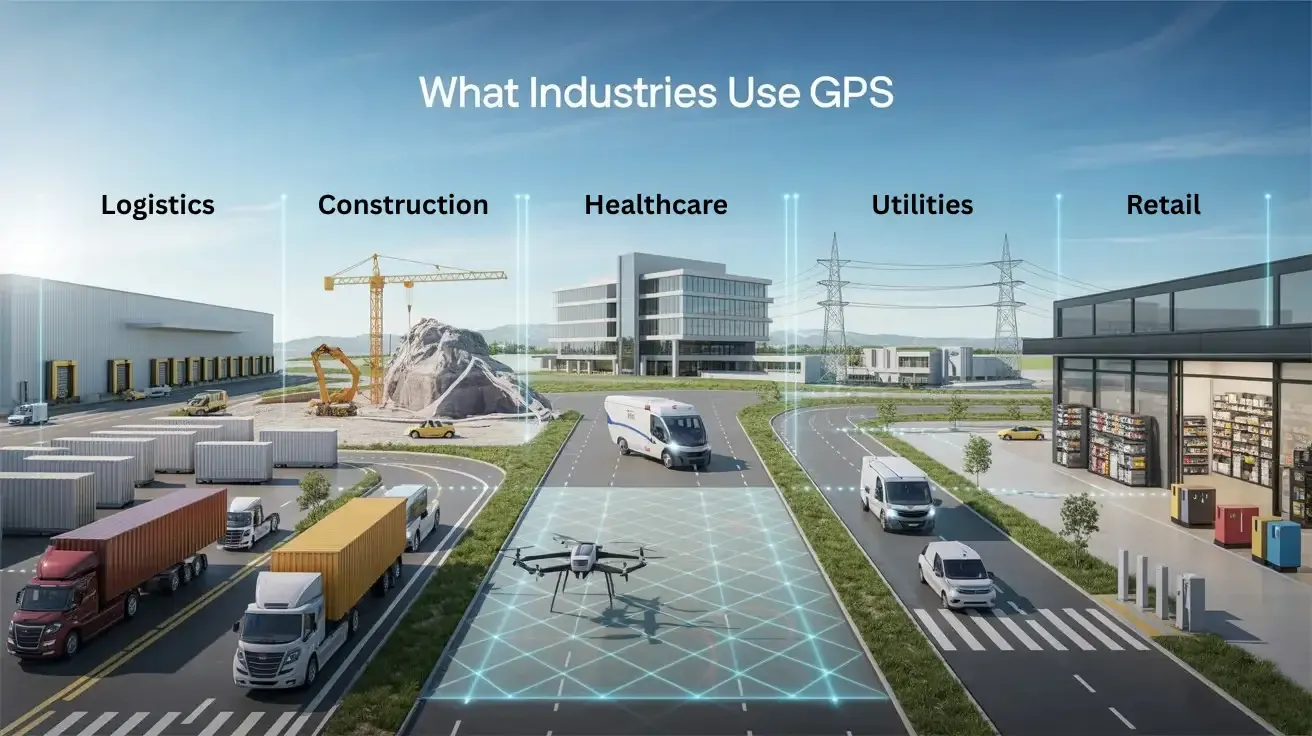
Logistics, construction, agriculture, healthcare, utilities, retail, and public safety use GPS to cut costs, improve security, and boost efficiency.
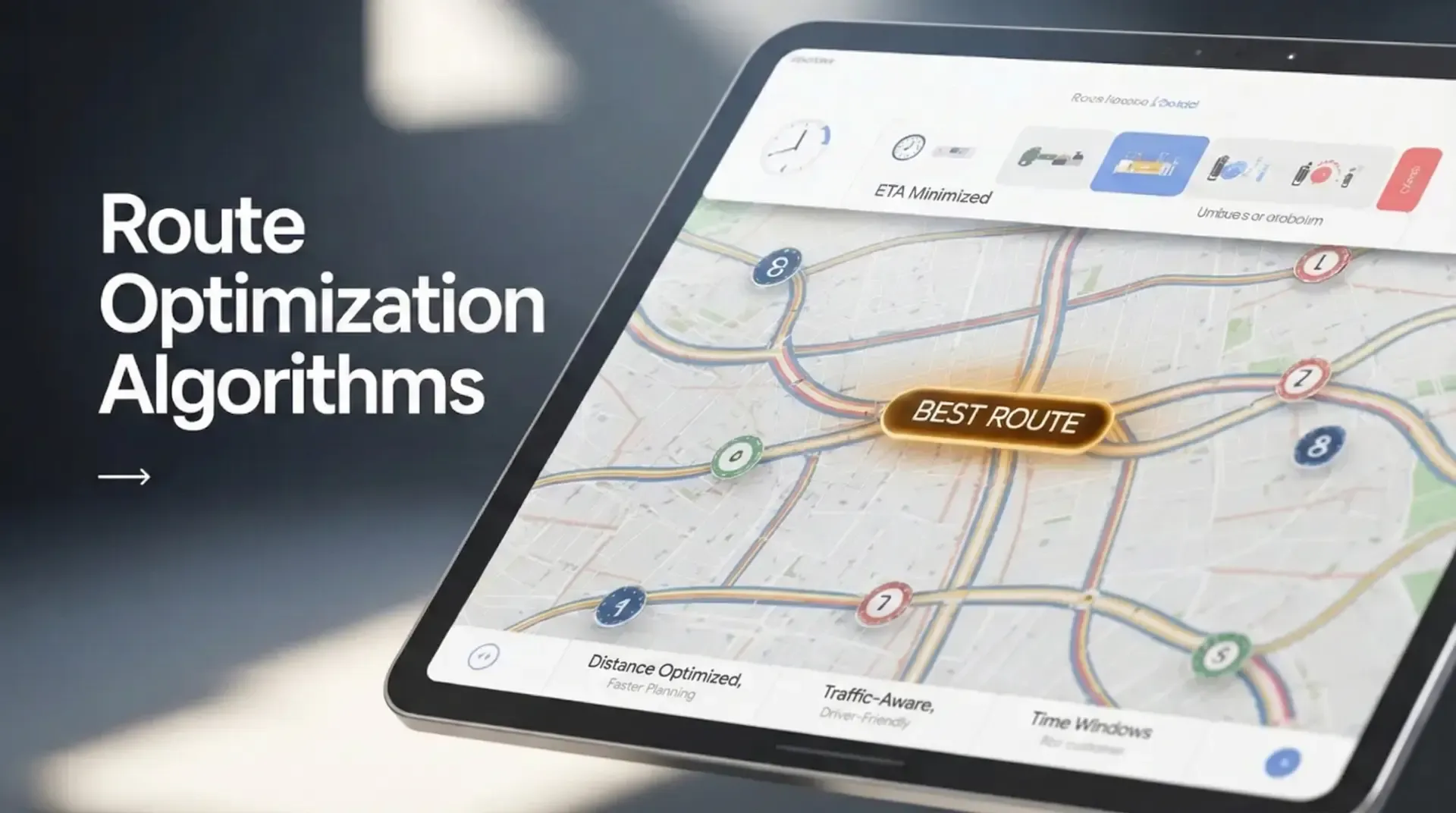
Route optimization algorithms select the fastest, most efficient route for multi-stop trips, reducing backtracking, fuel waste, and late arrivals.
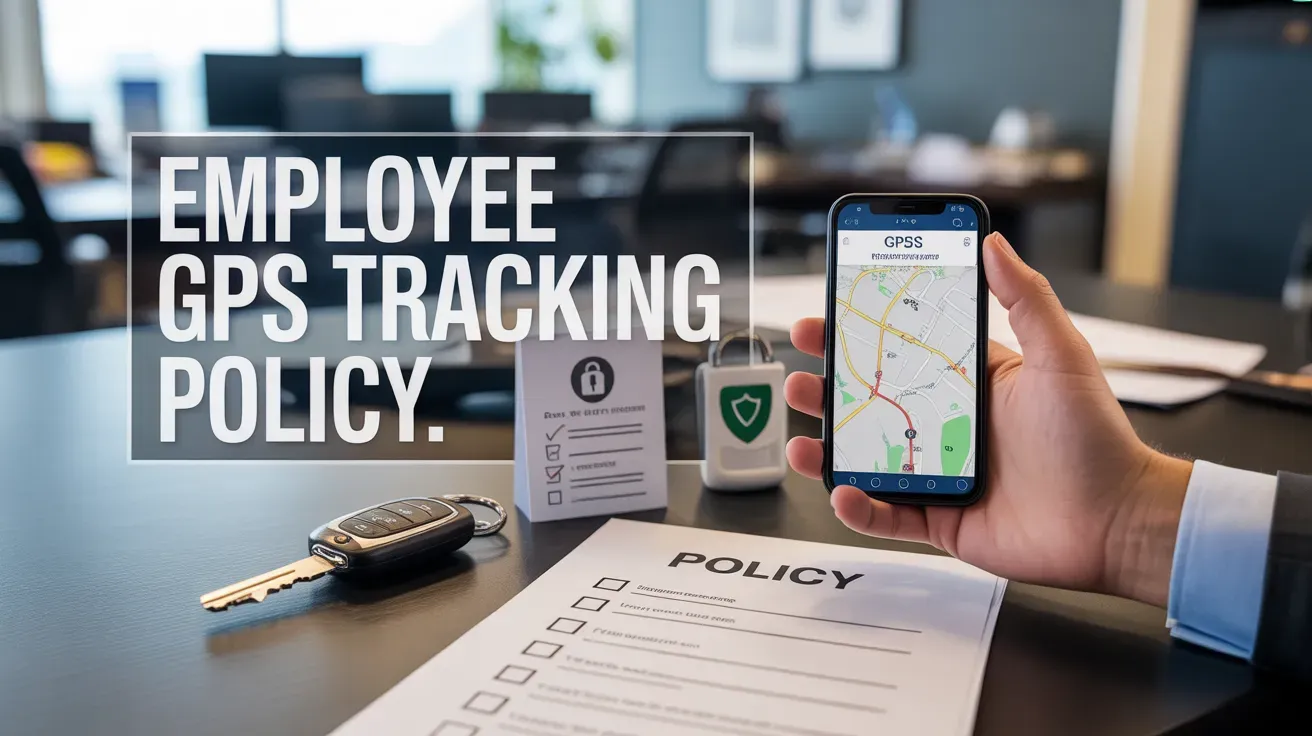
An employee GPS tracking policy defines when, why, and how employers track work locations while protecting privacy and staying legally compliant.
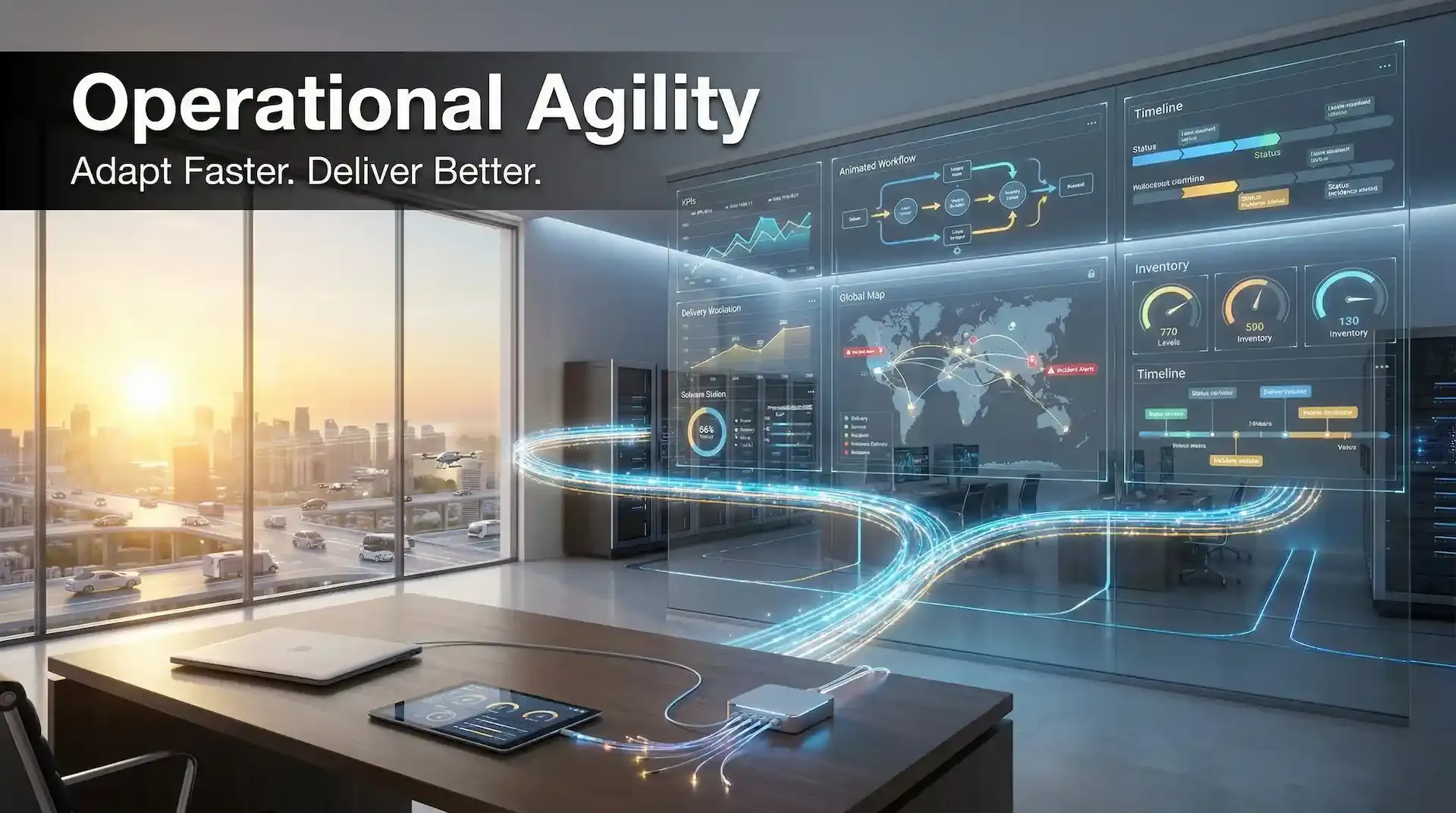
Operational agility is the ability to quickly adapt processes, tech, and workflows to change, staying resilient, flexible, and responsive.
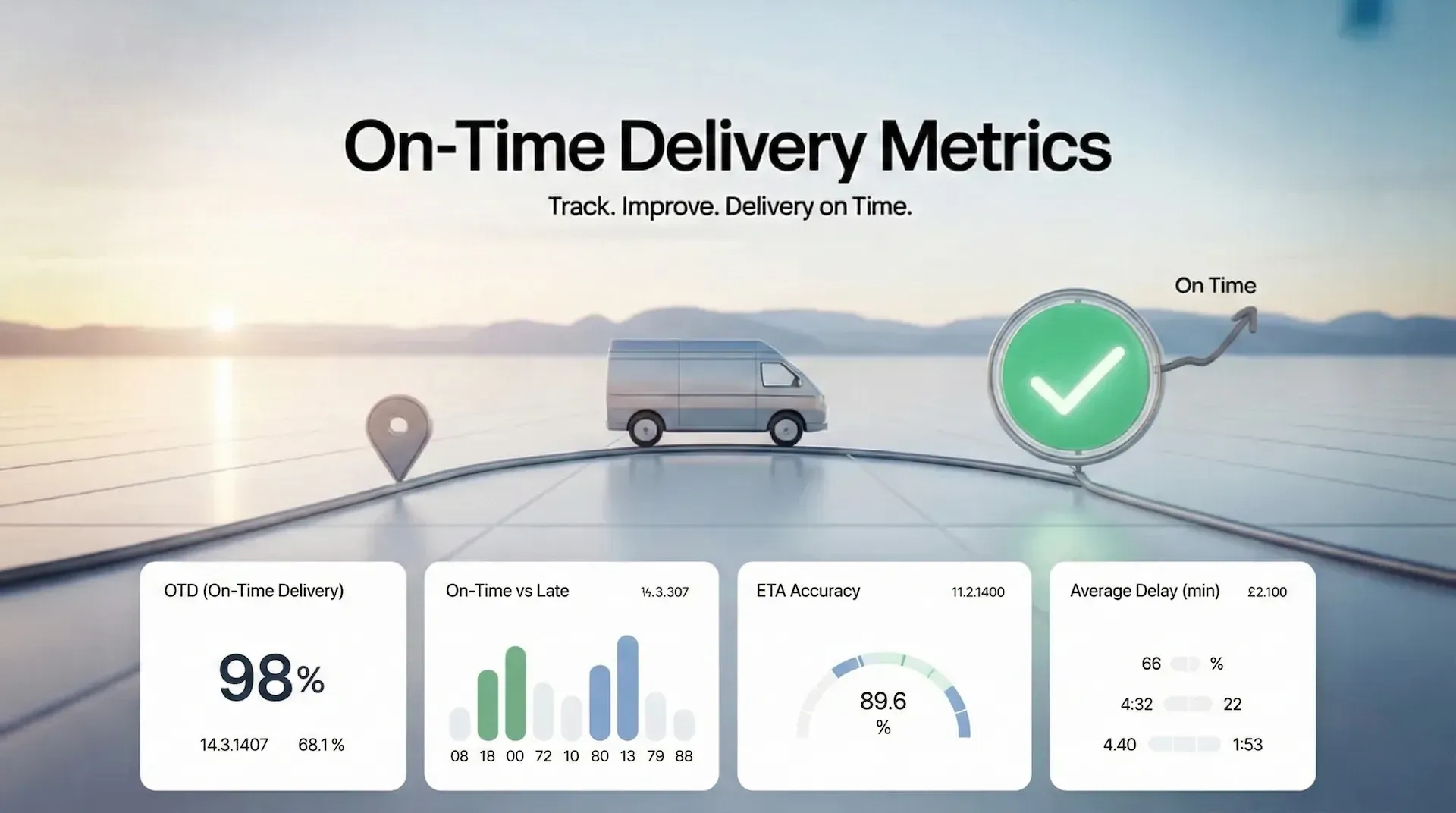
On-time delivery metrics measure how often orders or service visits arrive within the promised time window. Get key KPIs, formulas, and examples.
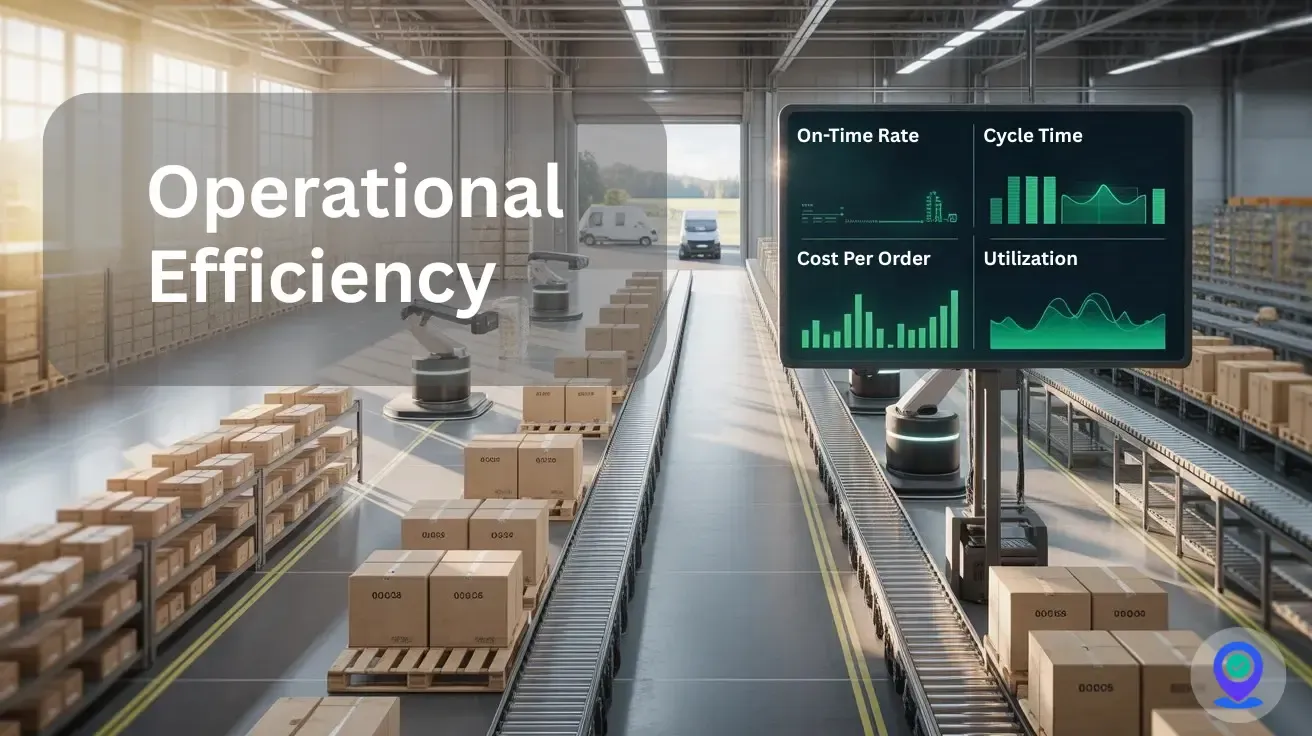
Operational efficiency is the process of running a business with the least amount of resources without sacrificing product or service quality.
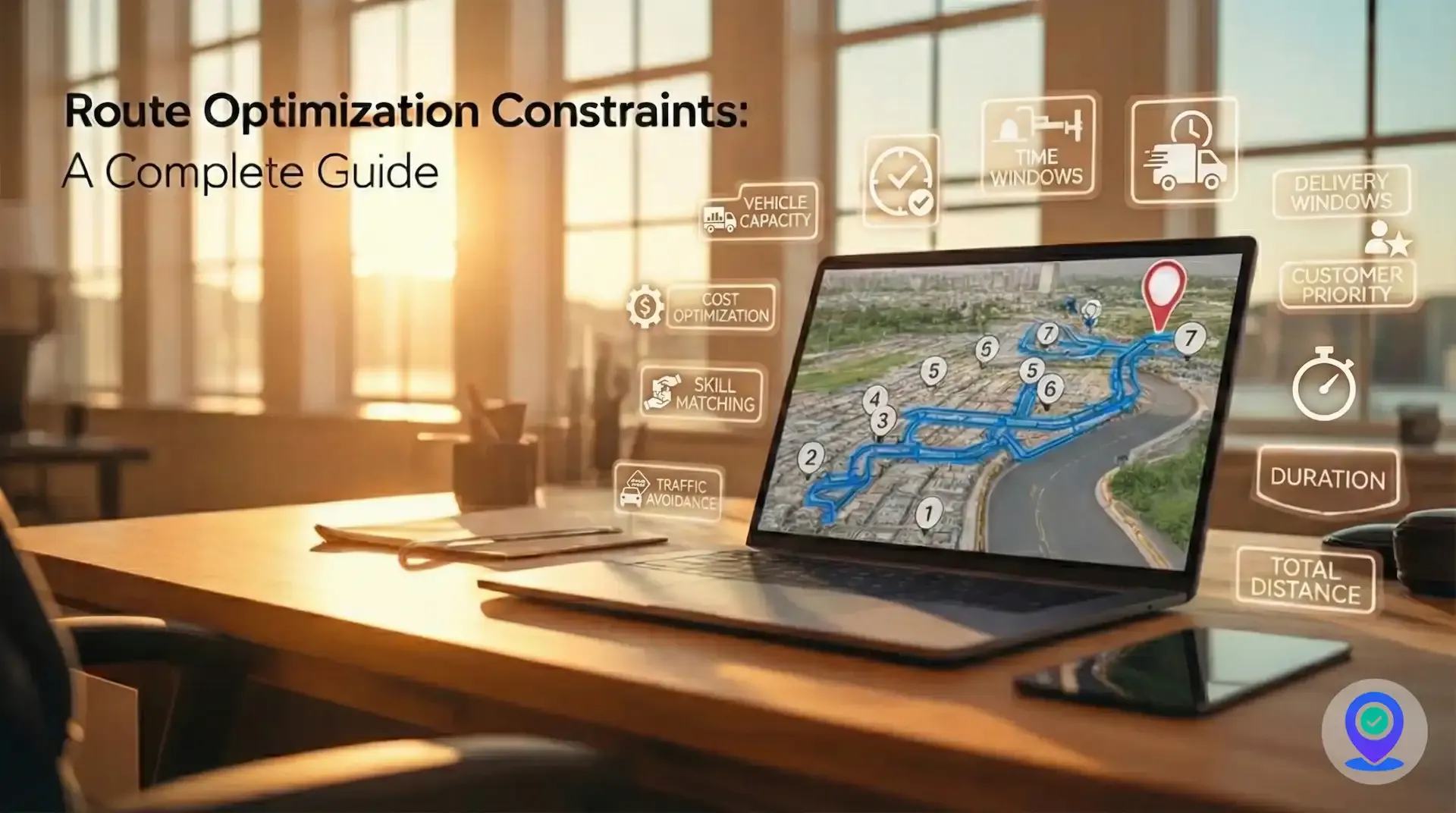
Route optimization constraints are rules that limit routes by time, distance, capacity, and availability to ensure routes work in real operations.
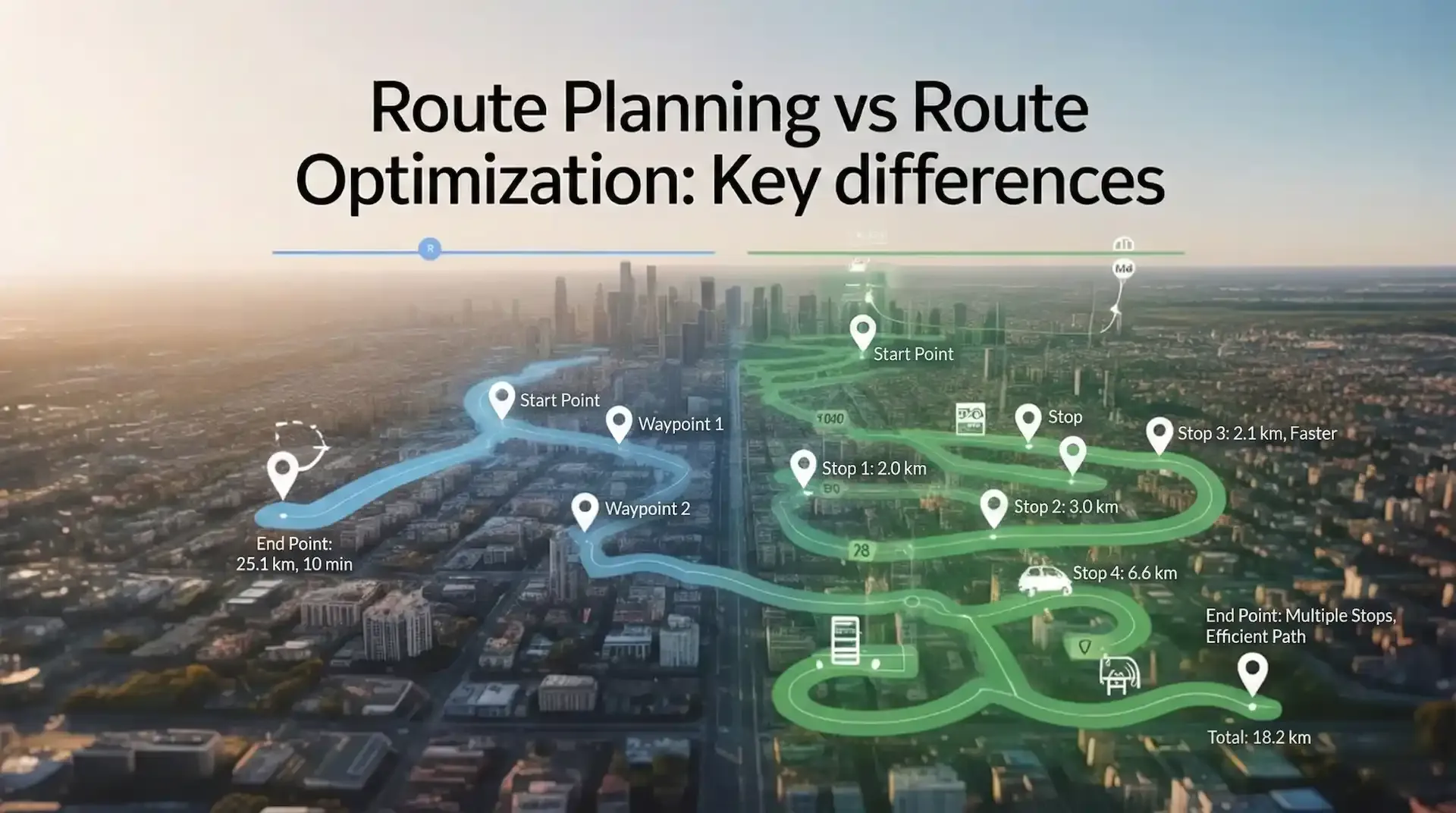
Route planning creates a workable route, while route optimization updates it in real time to handle traffic, delays, and constraints.
Route optimization finds the fastest, most cost-effective routes across multiple stops, reducing fuel costs, saving time, and helping teams do more work.
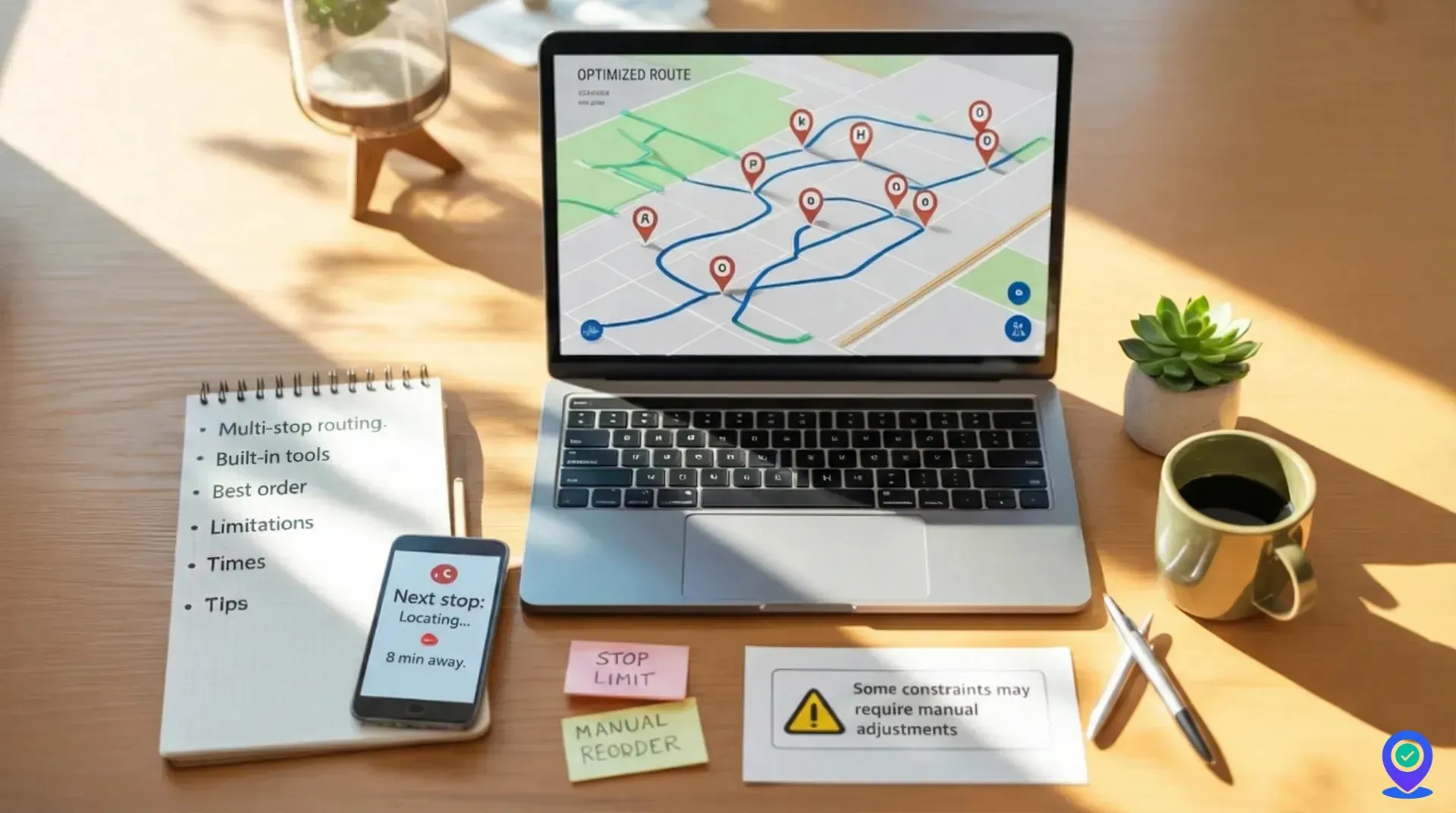
Easily optimize routes in Google Maps for 10 stops. Anything more than that needs the stops to be split into clusters.
Create optimized routes using optimization software, real-time traffic, dynamic adjustments, empty mile reduction, AI learning, and system integration.
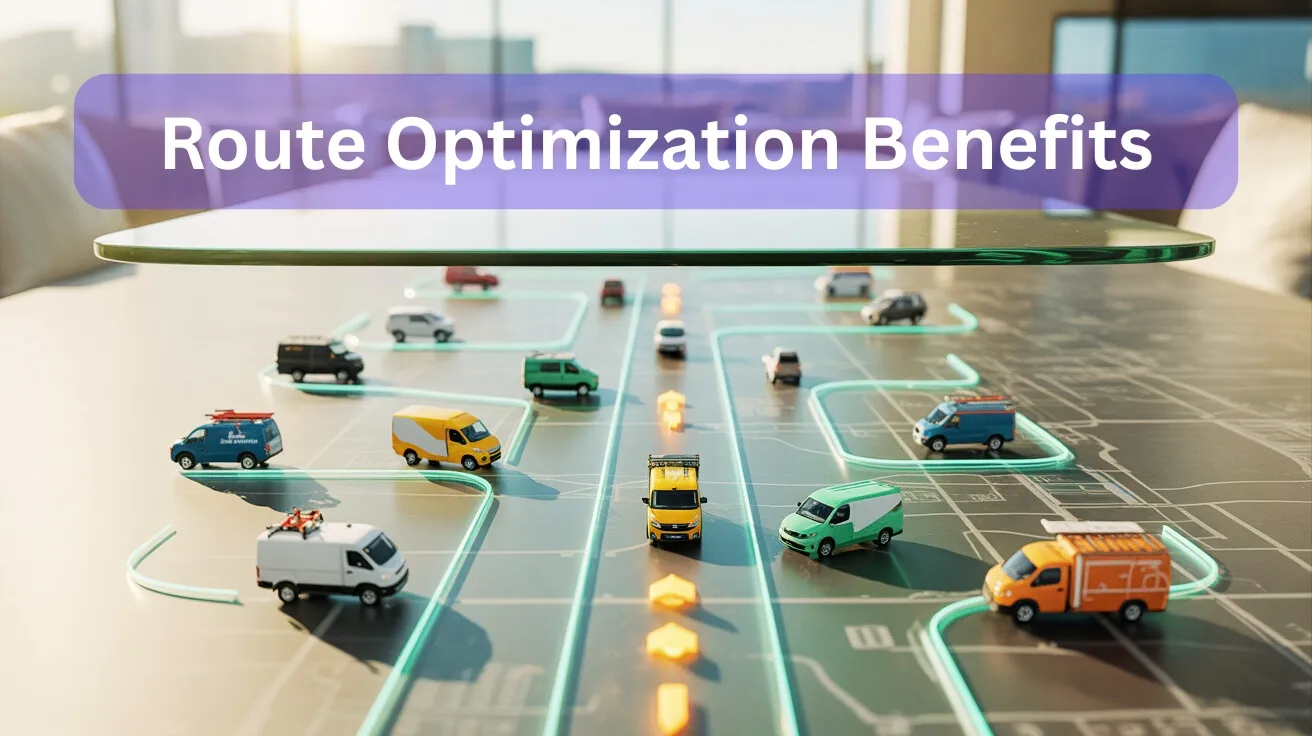
Enjoy the benefits of route optimization by reducing miles, fuel use, and overtime. It also improves ETAs, on-time performance, and boosts stops/day
Field service automation uses advanced technologies to optimize the operations of field service organizations. Find out everything in detail here.
Explore the latest remote work statistics, and trends affecting the field service industry in recent and upcoming days.